14 Most Essential Plumbing Supplies

As you probably know, the plumbing systems of commercial and residential facilities are the most crucial part of the building since it works as their heart. So there is a high demand for various plumbing services, and professional plumbers or plumbing contractors should offer assistance with the best quality possible. Plumbers need to have some essential plumbing supplies to provide affordable and high-quality plumbing services. If you want to be a plumber or hire a plumber, it is better to know the vital supplies that will be used in the process.

There are various tools and equipment that can be used for different projects. However, there are essential plumbing supplies that every plumber should use for their projects. It is also necessary to know that this equipment is practical for all types of plumbing services which are:

Wrenches are Essential Plumbing Supplies

When you ask professional plumbers about the essential plumbing supplies, the first tool that comes to their mind is the wrench. There are different wrenches used for plumbing services since every plumbing process requires several twists. The three main types of wrenches are:

  • T-Shaped Basin Wrench
  • Pipe Wrench
  • Adjustable Wrench

Wrenches are the mainstay of essential plumbing supplies, and every plumber should have them on every plumbing service. However, for smaller jobs using pliers can be more efficient.

Faucet Key for Commercial and Residential Plumbing

Faucet keys are small, yet essential plumbing supplies with x-shaped heads, and plumbers use them to open and close spigots and sillcocks.

Hacksaw is Also Essential for Plumbing Services

You can find modern plumbing supplies and tools such as push-fits, but old piping and plumbing systems will always be around. So, it is crucial to have supplies to deal with them. One of these tools is the hacksaw which is used for cutting through all types of materials.

You can cut various materials with a hacksaw, including:

  • Pipes
  • Bolts
  • Nuts
  • Screws

Pipe Cutter

Residential plumbers deal with different plumbing procedures daily, and removing or resizing the plastic pipes is one. So, plumbers utilize plastic pipe cutters to ensure the job is done efficiently and quickly.

Every Plumber Should Have Plumber’s Torch

Since sometimes plumbers need to work in dark places, they need a tool that will give them sight and precision. In most cases, smartphones or simple torches are not helpful. So, there are essential plumbing supplies and tools called plumber’s torch that will allow the plumber to see and work precisely.

No Plumbing Services Can Be Done Without Plumber’s Tape

Since plumbing systems work with water, sealing them is crucial, and every plumber should have sealants in their essential plumbing supplies and tools list. High-quality plumber tapes are sealants that can withstand extreme temperatures, offer form-fitting coverage, and never dry out. So, with long-lasting plumber tapes, you will not go back to the plumbing service place to repair your work after months or weeks.

Press Fitting Systems are Among the Essential Plumbing Supplies

Press fitting systems do one job for plumbers, pressing a connection onto pipes to form a perfect seal. This plumbing tool is quicker than soldering or welding, and it is among the essential plumbing supplies.

Professional Plumbers Have Plungers In Their Essential Plumbing Supplies List

Another essential plumbing tool is the plunger, which you can buy from any hardware store. This heavy-duty tool is essentially used for unclogging pipes and sinks.

Hand Auger for Fixing Plumbing Issues

When stubborn clogs occur in a plumbing system, the plumber will have to use more robust tools such as a hand drill. This handheld tool allows a plumber to force a cable into a drain or sink to break and remove the clogs. Although a hand auger is still a practical plumbing tool, some plumbers currently use a snake machine which is the motorized version and can clear any blockage in the system.

Never Forget Safety Equipment

The first rule for any industrial or residential services is protection and safety. No plumbing tools and supplies list is complete without some safety equipment. Here are some of the safety equipment that any plumber should have during the service.

  • Eye Protection or Goggles
  • Ear Protectors
  • Heavy Duty Gloves
  • Pads for Knees and Elbows
  • Steel Toe Cap Boots
  • Pads and Heat Shields

Screwdriver Sets are Essential Plumbing Supplies

The screwdriver is an underrated but crucial plumbing tool, and it is used for both commercial and residential plumbing services. There are two primary screwdriver types that plumbers use which are:

  • Stubby Screwdriver
  • Flathead Screwdriver

Professional Plumbers Use Borescope for Residential and Commercial Plumbing Services

The borescope is a small camera that has a flexible cable that allows the plumber to see what is inside the pipes. This tool helps the plumber choose the best method for dealing with plumbing issues.

Plumbing Services Management Software

If you want to have a successful plumbing business in 2022, you will need to learn to use computer software to make your job more manageable and precise.

Additional Essential Plumbing Supplies List

Although the list above contains every essential plumbing supply you need, other tools can also be practical for various plumbing systems.

  • Air Testing U Gauge Kit
  • Solder Capillary Lead-Free Wire
  • PVC Pipe Cement
  • Pipe Sealing Cord
  • Flux Brush
  • Silicone Lubricant Grease
  • Drain Test Plug
  • Drain Rod Tool


Learn Commercial Plumbing Basics- Fastest Guide

Every commercial plumbing system involves various factors that require professional assistance. Professional plumbing contractors provide services, including installing, repairing, and maintaining large-scale industrial plumbing systems. However, before offering services, plumbers learn commercial plumbing basics and then experience them on real projects. If you want to be a plumber or even a business owner who needs commercial services, it is essential to learn the basics of commercial plumbing.

All commercial plumbing services providers and contractors have higher degree certifications since industrial systems need water and waste to travel through complex systems in large buildings. Additionally, commercial buildings generally have more appliances, resulting in more hot water and pipes for the facility’s scale.

Commercial Plumbing Basics and General Information

There are various types of commercial plumbing systems, and as mentioned before, the demand for commercial services is more than for residential plumbing services. Commercial buildings with complex plumbing and piping are medical centers, offices, shops, restaurants, schools, etc. Since many people spend their time in such buildings daily, the commercial facilities require more water systems.

To learn commercial plumbing basics, you need to know the water systems of a commercial facility.

The Importance of Drains in Commercial Plumbing Systems

The water draining systems in commercial facilities is crucial since they are used frequently. To learn commercial plumbing basics, you need to know what is a good drainage system.

An efficient and functional drainage system should adequately remove the water from the building before commercial plumbing issues commence.

Quantity of Water Lines

The water lines and pipes of the plumbing system in commercial buildings have more quantity than in the residential systems.

Water lines of a commercial facility make sure that water and other liquids travel around or go in and out of the building efficiently. So, these pipes and lines need regular maintenance and inspection to prevent severe damage and issues.

One of the primary challenges that commercial plumbers have is that it is hard to know what exactly caused issues in the system in a short amount of time. This challenge is because of the large number of pipes in industrial or commercial systems.

Hot Water System Requirements

Although residential plumbing systems are smaller than commercial ones, they require to cater to more appliances. Some office buildings may require having instant-hot water heaters in some areas.

In commercial buildings such as hotels where people live or in medical centers, a large boiler room is required. Since in these facilities more people require hot water and people need hot water constantly, occurring problems are more likely.

Learn Commercial Plumbing Basics by Knowing Their Common Issues

As you know now, commercial systems are larger since more people are using water, and this can cause issues. You need to know some common problems to learn commercial plumbing basics. The following are some of the most common issues professional plumbers experience within a commercial facility:

  • Leaks: When Leaking problems occur in commercial buildings, the situation can escalate very quickly. Rotting, molding, and flood damage are some of the outcomes of severe leak problems. This issue will increase the water bills, and the pipes, toilets, and taps will be damaged.
  • Low Water Pressure: When you learn commercial plumbing basics, you know that this problem is caused by tampering with or turning off the water valve. After gaining experience, you will see that clogged pipes and leaks can also affect the water pressure.
  • High Water Pressure: It is essential to learn commercial plumbing basics and identify the source of a high-water pressure issue. This can lead to damaging the main pipes.
  • Smells in Sewage System: Dried-up pipes below the ground can cause terrible smells throughout the building. This commercial plumbing issue can be detrimental to business.
  • Hot Water System Problems: When you learn commercial plumbing basics, you know that these systems are more extensive than residential ones, which are more likely to experience various problems. When you inspect an issue in your hot water system, you need to repair it as soon as possible.
  • Water Back-Up Problem: It is very unhealthy to have back-up water flow in your building. When this occurs, it is better to call a professional plumber and let them handle it.
  • Blocked Drains: The most common plumbing issue in residential and commercial plumbing systems is blocked drains.


To learn commercial plumbing basics, it is better to know how you can solve the problems mentioned earlier. So, make sure to read the commercial plumbing issues guide to learn how to solve them like a professional.

Commercial Plumbing Systems vs. Residential Plumbing: 11 Differences

A building is a living thing, and its life depends on various factors. One of the essential factors is its plumbing system. Many people think that commercial plumbing systems are the same as residential plumbing. However, there is a significant difference between these two. As a homeowner or business owner, you should know the differences to find a reliable plumbing professional or contractor to do the job for you. But first, you should know what these plumbing systems or services are.

What is a Residential Plumbing System or Services?

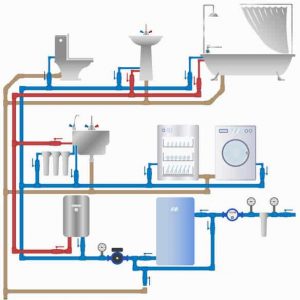
A residential plumbing system is a complicated network in a home that comprises cold and hot water supply pipes, appliances, home plumbing fixtures, drain pipes, vent pipes, water storage tanks, water heat, traps, etc. Generally, the piping runs either concealed inside the walls or on the outer area of the walls.

Essential Parts of Residential Plumbing Systems

Contractors’ residential plumbing services are repairing or installing the three essential components in the above list. So, if you want to ensure that your plumbing systems run efficiently, you should find a reliable contractor to do the job for you.

commercial plumbing pipe lines - O Plus Plumbing Inc. | Leading Plumbing, Plumber & Drain Company in The Greater Toronto Area - Professional Plumbing & Drain In Toronto and GTA

What are Commercial Plumbing Systems or Services?

Commercial plumbing contractors are companies that offer industrial plumbers who work with water supply systems and wastewater drainage systems for public spaces, businesses, complex buildings, and high rises.

Since commercial plumbing systems are more challenging and complex than residential plumbing, it has higher demands in the industry. Reliable commercial or industrial plumbers are responsible for the regular repair and maintenance of all such systems. However, their work scope is almost limitless, depending on their plumbing skills.

Experts in Commercial Plumbing System

As told, commercial plumbing systems and services are complicated and require experience and skill. So, professional plumbers obtain special training for particular facets of plumbing, including:

  • Potable plumbers: These experts work with commercial plumbing systems that involve drinking water.
  • Steamfitters and pipefitters: These commercial plumbers work primarily on cooling, heating, and even electricity generators in industrial environments.
  • Pipelayers: Commercial plumbing system experts generally deal with laying pipework for wastewater drainage.
  • Sewage Systems Plumbers: These commercial plumbers are specialists in commercial facilities sewages.
  • Fuel Gas Plumbers: These industrial plumbers work with tanks and pipelines that contain gas.

Differences Between Commercial Plumbing Systems and Residential Plumbing

Now that you know what commercial and residential plumbing systems are, it is time to understand the main differences between these two, which are:

1: Daily Usage of Residential and Commercial Plumbing Systems

The daily usage of commercial plumbing systems is greater than the residential systems due to frequent use by employees and clients during the day.

However, family members only use a residential plumbing system, so it requires fewer outlets and pipe fitting.

2: Size and Durability

Since commercial plumbing has more usage, it requires large fixtures that have higher grades and more extended durability. Using larger fixtures and long-lasting materials will reduce the breaking down due to pressure or strain.

The fixtures are smaller in the home plumbing systems, and lower-grade pipes are used since they do not undergo as frequent use as commercial facilities.

3: Complexity Difference Between Commercial Plumbing Systems and Residential Ones

Most commercial buildings have multiple floors, toilets, and sinks, while most homes usually have simple and easy navigation through their structure. This means that commercial plumbers understand complex building structures.

4: Efficiency Difference

No plumbing system is perfect, and damages are always expected at any point. A clogged sink or bathroom in commercial facilities may pose a difficulty to many people, and fixing them should be done quickly. So, it is recommended to hire professional plumbers who are experienced in dealing with these complex systems.

commercial plumbing

5: Probability of Damage in Commercial and Home Plumbing Systems

The complex commercial plumbing systems are more prone to damage than residential ones. The damage to home plumbing is limited since it features a minor size system. On the other hand, even slight damage to commercial plumbing can be disastrous.

6: Water Heater In Residential and Commercial Plumbing Systems

Using larger storage tanks and gas levels is required for commercial facilities since industrial buildings have more people who need more hot water than homes.

7: Health Issues with Plumbing Systems

Since more people visit commercial buildings such as restaurants, there is a need to follow strict health care regulations and ensure good hygiene in the plumbing system.

It is easier to manage residential plumbing systems and doesn’t require different sets of plumbing fixtures like commercial plumbing systems.

8: Work Scope

The work on commercial plumbing systems is more repetitive than on home systems. Residential facilities require plumbing services in particular areas, which involves a standard working hour. However, commercial plumbing services take place at any time of the day.

9: Knowledge Prerequisites for Commercial and Home Plumbing Services

Commercial plumbing services need to be more scheduled-oriented. For example, repairing services in a building needs to be done within the time frame as more people depend on it. So, delays in the work can lead to losses. However, the time is not a problem in residential facilities as long as it doesn’t matter to the homeowners.

10: Drainage Systems and Services

Draining commercial plumbing systems is more complex than residential facilities. Additionally, commercial issues are easier to solve in the home plumbing systems.

11: Dripping and Running Water In Commercial and Residential Systems

Determining small water leakages in residential facilities and homes is much easier than commercial buildings. Since commercial buildings have multiple floors, water leakages are easily missed, which will lead to severe damage and large bills.

30 Best Plumbing Tools You Should Have

Professional plumbers are generally good with their hands and technically inclines, but the thing that makes them the best ones is that they know when and how to use the right equipment and tool for the job. This article will introduce the 30 best plumbing tools that most plumbers use for their services.

When it comes to residential plumbing services, experts navigate an array of health hazards, issues, and small spaces to best serve you with a long-lasting plumbing system and solution. This is why hiring a professional plumber for your home services is recommended. If you don’t know how to find an expert, check the link below.

How to Hire a Plumber?

The list of Plumbing Tools and Equipment

First, let’s have a quick look at the best plumbing tools that every plumber should have. We have provided more details on each below.

plumbing wrench - O Plus Plumbing Inc. | Leading Plumbing, Plumber & Drain Company in The Greater Toronto Area - Professional Plumbing & Drain In Toronto and GTA

Plumbing Wrenches

  • Pipe Wrench for Plumbing
  • Basin Wrench for Home Plumbing
  • Adjustable Plumbing Wrench
  • Faucet Key for Residential Plumbing

Pipe Work Plumbing Tools

  • Hacksaw
  • Tube and Plastic Pipe Cutters
  • Plumber’s Torch
  • Thread Sealing Tape
  • Pliers
  • Press Fitting Systems

Clearing Clogs for Home Plumbers

  • Plumbing Plungers
  • Hand Auger
  • Snake Machine for Plumbing Services

Safety Tools for Plumbers

  • Safety Goggles
  • Gloves for Plumbing
  • Heat Shields and Pads

Other Essential Plumbing Tools

  • Pipe Expander and Fitting
  • Crimpers for Plumbing
  • Screwdriver (stubby)
  • Borescope
  • Plumbing Software and Calculators (for Plumbing Contractors)

Now let’s get to more details about these home plumbing tools.

pipe wrench

The Wrenches that You Should Have in Your Plumbing Tools

No tool or equipment is more associated with residential or commercial plumbing services than the wrench. No plumbing tools list is completed without twists. Experienced plumbers bring different types of wrenches to a job site, including:

Pipe Wrench is the First Plumbing Tool

A pipe wrench is the most oversized wrench that a plumber utilizes for residential plumbing services. Professional plumbers use these heavy plumbing tools to loosen or tighten nuts and other fittings on the pipework.

Plumbers generally utilize two pipe wrenches at once. One is used for holding a pipe in place and the other for rotating the fitting or nut correctly. Pipe wrenches are available in different lengths, and professionals can work with an entire set of these plumbing tools.

Basin Wrench for Home Plumbing

Plumbers use a basin wrench, a T-shaped tool, to work on faucets. This tool has a clamp-like mechanism on one end of its body that allows plumbers to reach narrow and small areas to tighten or loosen the nuts on the faucet. Anyone asking questions about the best tools for plumbers from you, remember to mention basin wrenches.

Adjustable Plumbing Wrench

An adjustable plumbing wrench is used for tightening or loosening hexagonal nuts on your home’s pipes. These plumbing tools come in various sizes; however, pro plumbers often use the 6-inch and 10-inch versions for their services.

Faucet Key

Faucet keys are not traditional tools for plumbing services, but they are a critical part of this list. These are small X-shaped plumbing equipment designed to close or open spigots and sillcocks.

hacksaws are plumbing tools

Pipe Work Tools for Plumbing

Professional plumbers who do plumbing daily have pipes on their plumbing tool list. Modern plumbers utilize various techniques and tools to repair, replace, and install residential plumbing fixtures. Here are some of the essential pipework tools for home plumbing services.

Hacksaw for Plumbing

Although woodworkers and carpenters use saws more than plumbers, professional plumbers have hacksaws with them to cut through various hardware such as pipes, bolts, screws, and nuts. When cutting this hardware, plumbers secure the blades tightly.

Plastic Pipe and Tube Cutters

A plumber who regularly deals with plastic or copper piping will need to replace, remove, or resize them. For this purpose, they need cutters that can cut plastic pipes and tubes.

plumbers torch

Plumber’s Torch for Home Plumbing Services

Many commercial plumbers or even residential plumbers seal metal piping by soldering them. For soldering, plumbers need heat, and plumber’s torches are the best tool.

This plumbing tool is a small, handheld one that allows the plumber to apply a high level of heat in a particular area, soldering and sealing piping for replacements and installations.

Thread Sealing Tape

A plumber’s tape or thread sealing tap is used for patching or preventing possible leaks at the threaded joint connection in your home’s plumbing system. High-quality sealing tapes are resistant to low and high temperatures. Additionally, they stretch for better coverage and never dry out.

Plumbing Pliers

Another one of the plumbing tool that professionals use regularly is plumbing pliers. These tools allow home plumbers to tighten or loosen tiny nuts and bolts that a wrench cannot grip.

Press Fitting Systems

One of the critical things that any plumbing project requires is a secure connection between pipes. Press fitting systems are used to physically press and connect a line while producing a solid connection or seal.

Press fitting systems are essential plumbing tools since they save money and time in the long run. Plumbers can produce connections using these tools in lesser time than it takes to solder or weld pipes.

plumbing tools for clog clearing

Clearing Clogs Tools

In some residential and commercial plumbing issues, the problem is not the piping system, but it is what is inside. Professional plumbers know their way around a severe clog and which plumbing tools they require to keep a home plumbing running smoothly. Here are the sewer machines or clearing clogs tools that plumbing contractors have:

Plungers for Cleaning Clogs

Although most homeowners have plungers in their homes, professional plumbers should also come to services equipped with them. Experienced people are ready with heavy-duty flange and cup plungers that can produce more suction than the standard consumer tool.

Hand Auger Plumbing Tool

A hand auger is a handheld, circular plumbing tool that allows lumbers to drive cables deep down a drain to clear the clogs. You can find various types of hand augers in the plumbing tools suppliers or store near you.

Snake Machine for Commercial and Residential Plumbing Services

Snake machines are essentially motorized and larger versions of a standard hand drill. These plumbing machines are efficient when the clogs are deep or complicated to be removed.

plumbing safety tools

Plumbing Tools for Safety

Although most plumbing services are not associated with danger, experienced plumbers know there can be some threads during the job. So, they use some tools that provide safety and protect the professional by lowering the chances of an accident. Here are some of the plumbing equipment that is used for protection:

Safety Goggles

All professional plumbers closely examine leaks and solder pipes at a close distance, which can be dangerous for their eyes. It is essential to remember that a good plumber is also safe, so they should wear appropriate goggles during their services.

Gloves for Plumbing

Plumbers are exposed to scorching pipes that you can never touch with bare hands. So, they have to use heavy-duty gloves to protect their hands and allow them to grip hot or slippery items without having a problem.

Heat Shields and Pads

Plumbers that deal with soldering during most of their services should utilize safety equipment to protect them. Heat shields and pads help plumbers protect themselves and the environment from heat damage and fire when welding or soldering is required.

modern plumber tools

Other Plumbing Equipment

Although the items above are the best plumbing tools that any plumber should have since technology is growing day by day, the hardware changes with it, and some other plumbing equipment can help plumbers do their job in a better way.

Pipe Expanders and Fittings

PEX pipe expanders and fittings are one of the newest innovations in the plumbing industry. These tools are resilient, flexible plastic piping that offers unprecedented reliability and convenience.

The expander is a drill-like plumbing tool that widens the entry of the pipe so the plumber can insert a metal fitting into it. Since these tools retain the original shape of the tube, after the mouth is closed on the fitting, it creates a perfect seal.

Crimpers for Plumbing Services

Crimpers are critical tools for plumbers who use PEX plumbing systems. However, they can also be used for other types of plumbing systems.

Crimping means joining multiple metal pieces or other materials by deforming one of them to hold the other part.

Screwdriver (Stubby)

Although a stubby screwdriver might sound more fundamental than the other plumbing equipment, you need to have these tools if you want your list to be completed. These plumbing tools can be a job saver when tightening and loosening are necessary for hard-to-reach areas.

Borescope

Most of the current pro plumbers carry borescope to the job site. The borescope is a small camera tethered by a flexible and long cable and is meant to be inserted far down into sewer lines or drains to give a better look at your home’s piping conditions.

Plumbing Business Software and Calculators

Fewer plumber professionals use traditional methods to work out estimates and do calculations. Instead, they use modern technologies and software that make the job way more accessible than it used to be. Some of the software and calculators that plumbers use are:

  • Business Valuation Calculator
  • Flow Rate Calculator
  • Pipe Vol. Calculator
  • Invoice Generator
  • Labor Rate Calculator
  • ROI Calculator
  • Service Business Grader
  • Other Mobile or Tablet Apps (Data Access, Customization, Job Automations, Payments)

5 Standard Residential Plumbing Fixtures

Plumbing fixtures are devices that interact with water and are connected to the residential plumbing system whether it delivers or drains water. Although the main features of home plumbing designs tend to be the same, the design and usage of each fixture will differ. Some are ornamental depending on the fixtures and items, and some are just practical. However, most residential plumbing fixtures have a single purpose.

There are some standard residential plumbing fixtures that you can use in your kitchen and bathrooms. Since suppliers offer fixtures with various styles, colors, and finishes, you can choose and buy them equivalent to your kitchen’s or bathroom’s design.

Residential Plumbing Fixtures for Bathrooms, Kitchens, and Utility Sinks

We can use various types of sinks for washing our hands, dishes, and other items. Each home has several sinks in different portions that are called basins.

Sinks that are one of the most crucial residential plumbing fixtures have one or more faucets that supply cold and hot water. They also have a spray to provide water continuously. Most of our home’s sinks have drains, and some have incorporated soap dispensers.

There are different residential plumbing problems that you should deal with, and one of them is clogged sinks that occur due to debris and gunk that gets trapped in the piping. If you want to learn more about residential and commercial plumbing issues and their solutions, click the link below.

Residential and Commercial Plumbing Problems and Their Solutions

Sink Types that You Can Choose for Residential Plumbing Fixtures

Residential plumbing fixtures suppliers and manufacturers offer various sink types, which are:

  • Self-Rimming Sinks: Generally used for kitchens and are placed into a hole that is cut into the cabinet’s countertop.
  • Undermount Sinks: They clamp under the cabinet countertop, and waterproofing is complicated with them. They are more expensive than other types, but they look modern and contemporary.
  • Solid Surface Sinks: For a better blend between the countertop and the sink, you can order concrete surface sinks made from the same material as the countertop and glued under.
  • Sink with Rounded Rims: These are called Butler sinks and are not suitable for bathrooms. They have a rectangular shape with a rounded rim, and they are generally smaller than the kitchen ones.
  • Stand-Alone Sink: These are often mounted on a leg of a piece of furniture, and it is finished on all sides. These are the most versatile sinks that are perfect for residential plumbing fixtures.

Kitchen and Bathroom Faucets

Faucets are important residential plumbing fixtures that are used in bathrooms and bathrooms. Investing in high-quality faucets is also crucial.

You can choose a pull-out faucet with a spray head that can be pulled straight out of the fixtures rather than requiring separated sprayers.

If you want to install faucets for your residential plumbing fixtures, make sure to get in touch with professional plumbers.

The most common faucet that suppliers offer are:

  • Bathroom sink faucets for residential plumbing fixtures.
  • Bidet faucets
  • Shower and tub faucets.

decorative plumbing fixtures

Toilet Plumbing Fixtures

Toilets are among the standard residential plumbing fixtures, and the waste is transferred to a septic tank or the local sewerage system using the flush system.

Your toilets are the most complex plumbing residential plumbing fixtures with a difficult filling tank that ensures proper waste flow. The most complicated element is the humble toilet lid.

You have various style options for toilets, including modern, traditional, classic, etc. However, modern toilet plumbing fixtures are more energy-efficient and use less water while offering a more powerful flush.

Faucet Cartridges are Residential Plumbing Fixtures

Faucet valves or cartridges are an essential component of any residential or commercial plumbing system. There are four primary types of valves that are used in areas in the faucets where cold and hot water mix and the flow rate is controlled.

The purpose of all types of faucet cartridges is the same, which is to deliver water at the desired temperature and rate. The most common problems with these residential plumbing fixtures are worn-out rubber rings and clogged passages.

Water Filters for Home Plumbing

These residential plumbing fixtures are optional yet practical. Suppose you experience water heater failure or stains on the laundry, damage to water appliances, or a bad water taste. In that case, you should hire a plumber to inspect your plumbing system for the following signs of water:

  • Inefficient water pressure
  • Water spots on the bathroom doors
  • Mineral deposits build up in your showerheads

Thus, you will have to prevent calcium carbonate buildup from inside the pipes with water filters. This is why the filters are crucial residential plumbing fixtures.


Portable Driveway Snow Melting Mats vs. Heated Driveways: Best Comparison

When you wake up in the morning in the middle of winter in Canada after a restful night’s sleep and see multiple inches of snow in your driveway area, it can dampen your mood. It is evident that spending time shoveling the snow is not fun, especially when you know that it will happen again eventually in a few days. This is a problem that many people face in Canada. However, we have a perfect solution for you. Using heated driveways or portable driveway snow melting mats is the solution. But what is their difference? Which one should you buy and use? Which is more cost-effective? Don’t worry. We have all the answers for you.

What are Built-In Driveway Heating Systems?

Installing built-in heating driveway systems beneath the surface of your facility (similar to radiant-in-floor heating) is one of the best ways to create safe driveways during winter for your house.

These snow and ice melting systems are a grid of heating elements or thin tubes that carry a mixture of antifreeze and warm water. These elements are buried under your driveway’s asphalt or concrete to raise enough temperature to melt the snow or ice on your driveway.

There are two main types of built-in driveway heating systems that are available in the market which are:

  • Electric Heating Driveway
  • Hydronic Driveway Heating Systems

Depending on your needs, a professional plumbing company and contractor in Canada will help you decide the suitable system for your driveway.

Electric Driveway Heating

Electric driveway heating systems are the simplest in the market. Installers loosely weave insulated wires into flexible mats and connect them to the household current with a buried conduit.

Professionals can arrange the mats to align with your car’s tires or cover your home’s driveway completely. This modern driveway heating systems feature a range of system-control options. You can use a classic thermostat to turn on when there is snow to a wi-fi-connected phone or device that automatically modulates your driveway’s temperature according to its weather conditions.

Hydronic Driveway Heating System

A hydronic or water driveway heating system is made from loops of plastic tubes that are called PEX. These tubes carry a mix of propylene glycol or antifreeze liquid and water.

The hydronic heating system is heated by the residential boiler that is placed in the garage or basement. The warm mix is pumped through your residential plumbing system.

Unlike the electric heating system that utilizes one source of energy and power, hydronic boilers are versatile and can be electric, oil, solar, gas, or even wood-fired. The versatility of the water driveway heating system allows homeowners to have various options for cost savings.

What is Similar Between Hydronic and Electric Driveway Heating?

The only similarity between electric and hydronic systems is that they range from automatic to manual control options.

Advantages of Built-in Heating Driveway Systems

  • Eliminates snow and ice
  • No more shoveling during winter
  • Saves time and energy
  • Cost-effective solutions

Challenges

  • Installation cost is a bit high
  • In some cases, installing a new driveway will be required
  • Repairing heated driveway systems can be costly

What is Portable Driveway Snow Melting Mats?

Portable driveway snow melting mats are the cheaper alternative to built-in heating systems. These mobile systems are similar to the mats that are used for porches, walkways, and entryways. But they are built to be strong enough to hold the weight of your car.

Unlike the last system that heats the entire driveway, portable ones are installed in parallel lines to melt ice and snow along the tire path.

The heating elements in portable driveway snow melting mats are sandwiched between rubber material. You can plug a portable snow melting system into a standard outlet.

Portable driveway snow melting mats are one of the suitable alternatives for a home or business that doesn’t see a lot of snow during winter.

Advantages of Portable Driveway Snow Melting Mats

  • You will no longer need to shovel your driveway during cold seasons.
  • Portable driveway snow melting mats quickly melt snow.
  • Mobile snow melting systems are easy to move and portable.
  • Cheaper than the built-in driveway heating systems.
  • Using or replacing them is very easy.

Challenges of Mobile Driveway Snow Melting Systems

  • They are installed over the targeted area, and your driveway is not heated thoroughly.
  • Aesthetic problems

9 Important Pros and Cons of In-floor Heating Systems

You have probably heard of radiant in-floor heating systems, but you may not know what these practical residential systems are. Radiant in-floor heating has been around since the Roman Empire with its traditional form. The modern radiant heated floor is currently popular in Canada for both new and renovation projects.

However, most homeowners want to know how this system works. What are the pros and cons of in-floor heating systems? How do you know if it is suitable for your house? In this article, we have answered all the essential questions about these systems that may come to your mind.

How do Radiant In-Floor Heating Systems Work?

Radiant in-floor heating systems directly warm the people and objects in any room. You can set the system to your preferred temperature, and it will automatically control your room’s temperature with its thermostat.

Since radiant heated floors warm your room via heat radiation, it will feel like the sun’s warmth. Additionally, it will allow you to feel warm even when the air temperature in the particular room is cooler.

Can Radiant In-Floor Heating Systems Benefit Your Home?

Most homes have cold floor spots because of the inherently cold tile flooring. Other factors such as cement slab, unheated garage, and unheated crawl space can make your interior colder than it should be.

While almost all homes can benefit from radiant in-floor heating systems, it cannot be enough to serve as the only heat source for your house.

Some of the best areas of your home that can benefit from heated floor systems are:

  • Kitchens
  • Basement
  • Bedrooms

What are the In-Floor Heating Types?

For choosing a suitable in-floor heating system for your rooms, you should first know their different types. There are two main heated floor systems that you can select, which are:

  • Electric Floor Heating
  • Hydronic Radiant In-Floor Heating Systems

Both in-floor heating systems function similarly, and they create warmth under your flooring and radiate it into the room. However, their working systems are different.

Electric Floor Heating

This radiant heat floor system uses electric heating elements woven in a particular pattern to provide heat for your room. Electric floor heating is easy to be installed and ideal for your renovation applications.

Additionally, this floor heating system heats up in 30-60 minutes allowing homeowners to turn them on or off as needed to keep their utility costs down.

electric radiant in-floor heating

Hydronic Radiant In-Floor Heating Systems

Hydronic radiant in-floor heating systems pump hot water through your residential plumbing system and pipes laid out in a particular pattern to heat your flooring.

This system is perfect for whole-house heating, and it is better to install them during the construction process as it can be challenging to renovate if your house is not already outfitted.

The cost of using water in-floor heating systems is usually higher since it requires a residential boiler system, a pump, and gas lines. However, the operation cost of these radiant in-floor heating systems is lower when the square meter of your home is greater.

Moreover, hydronic heated floor systems take more time to heat up, resulting in more energy consumption.

hydronic in-floor heating system

Pros and Cons of Radiant Heated Floors

Whether you choose hydronic or electric radiant in-floor heating systems for your home, there are some pros and cons. This list of advantages and disadvantages of in-floor heated systems will help you choose the most suitable one for your application.

Advantages of Radiant In-Floor Heating Systems

  • Uniform Heating: The most significant advantage of in-floor heating systems is their ability to offer uniform heating for your room and floor.
  • No Maintenance: Electric floor heating systems do not require maintenance, and even if damages occur, you can simply hire a plumber to fix it for you.
  • No Noise: Underfloor heating systems are famous for being quiet, and you will not hear anything while they work.
  • Non-Allergenic: Since these systems directly warm your room via heat radiation, they do not disturb any allergens and dust.
  • Energy-Efficient: Electric in-floor heating is at least 25 percent more efficient than most heating systems.
  • Easy to Install: Although it is better to hire professionals to install your heating systems, you can install them with a DIY process.

Disadvantages of In-Floor Heated Systems

  • Flooring Must be Replaced: Installing underfloor heating requires removing any flooring before the process.
  • Elevates the Floor Height: Depending on your system, you should expect to see very minimal floor elevation in your room.
  • Cost: Depending on your project, buying and installing radiant in-floor heating systems can be costly.

Best Residential Boiler Maintenance Guide for You

If your home has a boiler room, you should know its type and learn how a forced air boiler differs from a steam heat boiler. Each system will affect the energy efficiency of your facility. Besides that, you should know how the residential boiler maintenance process works if you want your home plumbing system to function efficiently.

Nowadays, most modern houses and facilities have different types of boilers that heat water and distribute warm air, steam, or hot water to heat the building. If your residential plumbing system has boiler heating, you will want to ensure it is in good condition before the cold seasons arrive.

As professional plumbers in Canada, we want to get you ready by touching on each type of system and provide residential boiler maintenance tips to help you keep the plumbing system running efficiently throughout the year.

Generally, a residential boiler heats water that moves either steam or water through pipelines to keep your house warm and comfortable via radiators.

Steam and Water Heating Systems in Residential Boiler Rooms

Before getting to the residential boiler maintenance process, you should know the steam and water heating systems and their functionality. Radiators and boiler systems are not generally installed in new homes; however, traditional heating systems are still used in old houses, apartments, and older office facilities.

Steam Residential Boiler System

In the steam residential boiler system, the boiler heats water with burning gas or fuel and turns the water into steam. The generated steam travels through pipelines to convertors or radiators. After the steam is cooled, it condenses back into the water, and the plumbing system returns it to the boiler to be heated.

Hot Water Boiler System

The hot water residential boiler system operates on the same principle as the steam boiler. This system pumps the hot water through the procedure for heating the radiators. Other variations of hot water boiler systems distribute hot water and heat through baseboard units in the walls. The modern systems are radiant in-floor heating systems that go through tubing embedded in the floor.

Advantages of Steam and Hot Water Residential Boilers

Even though hot water and steam residential boiler maintenance and usage are dated, they have some benefits that you need to know:

  • Fewer moving parts
  • Durable and reliable
  • Clean and dust-free heat
  • Maintain the ambiance and appearance of old buildings

Disadvantages of Steam and Hot Water Boilers

  • Uneven and inefficient heat distribution
  • Require diligent gas residential boiler maintenance
  • Expensive installation
  • Accessibility problems
  • Issues with furniture placement

Forced Air Boiler System for Homes

The forced air boiler is another standard system that requires knowledge and residential boiler maintenance. This home boiler heating system heats water and sends it to a hydronic coil similar to the refrigerant coil in your air conditioning system.

As the hydronic coil gets heated, a blower allocates warm air through ductwork through your home or office building, and the water goes back to the boiler for being reheated.

Advantages of Forced Air Home Boilers

  • Circulating air in the system can be humidified, dehumidified, and filtered as desired.
  • Modern air force boilers are more efficient than the old residential boilers.

Disadvantages of Forced Air Residential Boilers

  • Forced air boilers require ductwork.
  • You need space in your home wall’s structure.
  • Ducts must be heated before the system can heat the building.
  • Moving air can cause allergens and dust.

Standard vs. High-Efficiency Home Boiler Replacement

Nowadays, building regulations require that new residential boilers display their AFUE, which stands for Annual Fuel Utilization Efficiency rating. High-efficiency systems that require precise residential boiler maintenance are more expensive since a house must be retrofitted to handle the plumbing system. However, it will decrease your energy bills cost.

With this said, it is better to purchase and use high-energy efficient boiler systems for your home.

Residential Boiler Maintenance Process

Regardless of the differences between the systems above, precise residential boiler maintenance is required for keeping your plumbing system efficient.

Although you can maintain your system with basic residential plumbing skills, it is better to call a plumber to check your boiler once a year.

Before calling a professional for your system, there are things you can do for your residential boiler maintenance.

Residential Boiler Maintenance Checklist

  • If your boiler doesn’t heat the way it should, you can bleed them by placing a protective cloth on the floor and using a radiator key to open the valve. Close the valve after the hissing sound stops, and the water flow starts.
  • Blocked air vents can prevent your residential boiler from efficient functionality. Thus, check the flues and air vents, and if you detect any blockage, clear it to allow the air to flow freely.
  • You should check the water level in your boiler; and if the water is below the manufacturer’s suggested number, check for any plumbing leaks. If there are leaks, you should repair them ASAP.
  • If the overflow pipe of the boiler has leakage, you should hire a plumber to replace it.
  • It would be best if you allowed your boiler to breathe by clearing the system’s area from boxes, bags, and other equipment.
  • Check if your boiler’s flame has a blue color. If it is yellow or orange, call a professional.

Best Home Plumbing Inspection Checklist – 6 Things to Do

You should know that your residential plumbing system makes up roughly 15% of your home’s value. So, there are certain home plumbing inspections and things you should do routinely to maintain and keep your system in its best functionality and shape.

Our standard and best home plumbing inspection and cleaning checklist are not very long. The only thing you should do is focus on some key factors and components of your residential plumbing system. Additionally, you want to avoid costly plumbing services, repairs, and plumbing emergencies in the long run.

Although our home plumbing inspection list will help you care for your system, we recommend you hire a plumber when you feel something is incorrect.

Here are six essential things to do when you want to do your home plumbing inspection. This inspection checklist can also be practical for commercial plumbing systems, and it will save time and money on your facility’s repairs and maintenance in the long run.

Home Plumbing Inspection with Drains

Never wait until your home’s drains are entirely clogged before taking action. Cleaning your drains is a part of your home plumbing inspection and cleaning checklist.

Ensure checking the drains of your sinks, showers, and bathtubs. If you see that water drains slower than always through the pipes, your drains are clog forming.

Schedule a drain inspection to remove the buildup in your drainpipes. The clogs will get worse if you ignore them.

Professional plumbers utilize video cameras for your home plumbing inspection and investigate clogs deep inside the pipes. Currently, some companies use trenchless drain repair technology to unclog the sewers and drains. With this equipment digging under the flooring or the yard is not required.

Moreover, you should never treat your home’s drains as a trashcan, so you should avoid throwing food scraps into the drains.

home plumbing inspection with drains

Clean Your Water Heater

Most residential water heaters and boiler room systems are set to heat the water up to 40 degrees of centigrade. Sediment collects in the heating system over time; thus, make sure to drain it at least twice a year. With this, you can extend the lifespan of your heater and improve its functionality.

When you clean your water heater for a home plumbing inspection, you will reduce the chance of having to file a house insurance claim if any damages happen.

You may also have to replace the anode rod if it is well past its useful life. Additionally, remember to inspect the temperature and pressure of the relief valve.

You should ensure that the relief valve is firmly sat where your plumber placed it. If you inspect shifted placement or a leak, contact a professional plumbing service provider to repair it.

clean water heater

Find and Clean All Faucet Aerators for Home Plumbing Inspection

For the best home plumbing inspection, you should thoroughly clean your faucet aerators once in a year or two. The mineral buildup will get complicated, and removing it won’t be easy if you ignore it.

Over time, calcium built up in your home plumbing system will reduce the water pressure and cause erratic sprays coming out of the faucets. Thus, cleaning all faucet aerators is among the home plumbing inspection checklist.

clean faucet aerator

Inspect for Corrosion in All Above-Ground Pipes

Another essential item in your home plumbing inspection checklist is to check all above-ground pipes, primary water pipes, and other plumbing fixtures in your home for corrosion at least once a year.

This stage of inspection is especially crucial after rainy seasons. If you see bluish or greenish deposits on the pipes, you may have leakage on your line. For more safety, do not go for quick-fix solutions to get rid of the corrosion or rust. Instead, call a professional local plumber.

You do not want to deal with burst pipes, slab leaks, or other plumbing emergencies that can cause considerable damage.

It would help if you also watched for signs of mold around your plumbing pipes. Look in hidden areas such as the basement, crawl spaces, etc. If you find mold, your system may have leakage issues.

Above-Ground Pipes

Home Plumbing Inspection on the Out Gutters

Many people think cleaning out gutters should not be on the home plumbing inspection checklist. However, you need to check whether your home’s gutters correctly collect and drain wastewater.

If you see clogs in your gutters, hire a professional plumber to unclog them.

Clogged gutters can cause extra pressure on your sump pump and cause roofing damage. Thus, clean your gutters seasonally, primarily if your home is located in an area that experiences severe rains.

clean gutters

Clean all Showerheads

If you want to prevent hard water and mineral buildup in your bathtubs, it is essential to clean your showerheads. You can utilize a professional-grade shower cleaner for the best results. However, a quick-wipe can also be helpful.

For home plumbing inspection on the shower, turn it on to test if the water flows as usual from the head. Sometimes the flow is restricted, or the buildup on the head is severed. In such cases, you will have to detach the shower head and clean it thoroughly.

If your shower head is made from chrome, stainless steel, or other galvanized metal materials, you can clean its surface by rinsing water with vinegar. We recommend using a plastic bag, a rubber band, and vinegar while the head is attached to the arm for deep rinsing.

O Plus Plumbing Company hopes this home inspection checklist helps you out. Remember, you should never skip the annual inspections and cleanings.

home plumbing inspection with clean showerhead

Design a Residential Plumbing System with Best 3 Steps

Designing a plumbing system is one of the most complex aspects of a home. A residential plumbing system is designed to deliver cold and hot water to the different portions of your home while safely removing wastewater and gasses or odors from the house. Thus, your choices when creating your home will also affect the plumbing system.

An efficient design starts with saving energy and water. If you want to design a residential plumbing system that has good functionality, you should know that the system will have to incorporate short runs between fixtures and use state-of-art materials. Plumbers used metal piping to design a residential plumbing system about thirty years ago.

Still, in the modern construction industry, we utilize PEX, PB, or plastic materials for supply lines. Moreover, we use black ACS plastic and white PVC for most drain lines.

Plumbing System Components

As a homeowner or a client, it is essential to know the basics of your residential plumbing components and their functions. Here are the primary elements you should know if you want to design a residential plumbing system.

  • Pipes and Fittings
  • Fixtures
  • Drainage

You Should Design a Residential Plumbing System with Pipes and Fittings

Pipes and fittings are like the skeleton of your system. Thus, if you want to design a residential plumbing system with the best function, you should know what they are and how they function.

Pipes are utilized to transport water from the city lines throughout your house and finally to the rooms and other portions. Fittings are the components that connect each tube to the next one allowing them to change angles and efficiently use areas inside the walls, floors, and ceilings.

If you want to design a residential plumbing system, you should know that each system has two sets of fittings and pipes. One is used for cold water and the other for hot. Additionally, it would be best to utilize PVC material for your plumbing system pipes. However, this can be different from industrial plumbing pipes system.

pipes and fittings

Plumbing System Fixtures

The water that is carried throughout your home with pipes needs to go to an ultimate place. This is where plumbing system fixtures come in. To design a residential plumbing system, you should consider the fixtures like sinks, tubs, showers, dishwashers, heaters, and any other appliances in your house that will require water.

Some of these plumbing fixtures draw water on an as-needed basis, while others draw from pipes with the press of a button or the turn of a handle.

residential plumbing-fixture

Drainage

Once the circulating water travels through the plumbing pipes and gets out of the fixtures, it needs to be removed from your home. Without a drainage system, your home will gt flooded quickly after a couple of showers. Thus, it’s essential to design a residential plumbing system with functional drainage.

Additionally, you should know that each fixture has its drain connected to the main drainage line, where wastewater will end up in the sewers or your home’s septic system. It is also essential to ensure the drains are appropriately maintained because if they get clogged or blocked, they can cause serious plumbing problems, and you will have to hire a plumber for your plumbing systems.

Those were the components you need to know to design a residential plumbing system. However, these were the basics, and for better understanding, read the following sections of this article or contact us for consultation.

Design a Residential Plumbing System with These Considerations

If you want to design a residential plumbing system for your house, some crucial considerations are to make which are:

  • Plumbing Codes and Regulations
  • Home Design
  • Plumbing Materials and Contractors
  • Water Supply, DWV, and Hot Water

Residential Plumbing Codes and Regulations

Before you start to design a residential plumbing system with its drains and vents, you should follow the local building codes to ensure compliance. These codes and regulations limit the number of fixtures applied to a vent stack, a drainage system in a room, or supply lines and drains must be placed inside the ceilings or walls.

Local construction jurisdictions provide information and requirements as to the codes they follow and give the specifics of where they separate them from the standard regulations. Thus, when you want to design a residential plumbing system, make sure your plan meets codes by checking the local building jurisdiction before you begin the process.

Your Home’s Overall Design

Since water supply is a complete system, it traverses between the areas of your house that require plumbing. This also applies to drain, waste, vent systems which usually run near or alongside the water supply system.

To save materials and make your plumbing system more efficient, consider grouping rooms that need plumbing systems closer together. For example, place a laundry room near the kitchen while placing the bathroom near crucial locations such s bedrooms.

If you design spaces that feature plumbing fixtures in multiple and opposite areas around your home, you should expect to pay more for the installation process and the materials.

Plumbing Materials and Contractors

Contractors and materials that seem to be very cheap at first are more likely to cost more at the end of your projects. If you want to design a residential plumbing system with the best quality, consider buying highly rated plumbing materials. Moreover, it is better to hire professional contractors who come with recommendations.

A fitted joint or a draining system that is not sloped correctly can consume a lot of money and time to be repaired. Avoid these mistakes by including the best quality plumbing materials and contractor costs into your design plans.

DWV, Water Supply, and Hot Water for Your System

Drain, water, vent, water supply, and hot water systems sit side by side inside the ceiling and walls of your home. When you design a residential plumbing system, you must keep these systems in your mind.

One of the practical ways to save energy and water costs is to create a hot-water looping system that continuously moves the water back to the heater. This will reduce the energy amount required to heat the circulating water. Another modern option is to develop a water heating system with solar panels or utilize point-of-use tankless water units.

Design a Residential Plumbing System Diagram

How to Design a Residential Plumbing System?

If you want to design a residential plumbing system for your house, you can follow these simple yet professional steps. However, we highly recommend hiring a plumber or contacting a reliable contractor for your plumbing services.

1:Defining the Place of the Main Stack

Step on of designing a home plumbing system starts with finding the best place to install the main stack, a pipe that passes through the whole house, running from the basement up to the roof. The parts of the main stack pipe include:

  • Top Section for Venting
  • Fixtures Waste Collecting Part in the Middle
  • Toilets Waste Collecting Part in the Lower Section

The drain pipe size in your home plumbing system mainly depends on the distance between the fixture and the stack. If your plumbing fixture is located at a significant distance from the stack pipe, you will have to separate the rising stack from the top and join it to the lower section.

2:Install the Vents and Drains

The second step for designing a residential plumbing system is to install the vents and drains. For each drain pipe size, you will have to use particular bends. For example, in some scenarios, sharp angles can cause clogs.

All fixtures except toilets must feature traps. Toilets are produced and built with traps. Plumbing traps are u-shaped pipes that contain a small amount of water in their bent section and prevent the odors and gases from entering the home.

If your plumbing fixtures are close to the main stack, they can be wet vented, meaning that the pipe is big enough to allow water and air to circulate simultaneously. If your bathroom or kitchen is not close to the main pipe, you will have to add an extra line to the venting system.

3:Submit a Rough-in the Residential Plumbing Diagram

The last step of designing a residential plumbing system is to submit a rough-in system diagram. Then, the plumbing inspector will assess to check if you followed the local building codes. Once the drainage system is designed thoroughly, it is time to go for your home’s plumbing system that provides fresh water, starting with your water heater placement.

After determining the routes of the pipes, you should run them to each grouping of plumbing fixtures. Finally, install the runs from the supply pipes to each plumbing fixture.