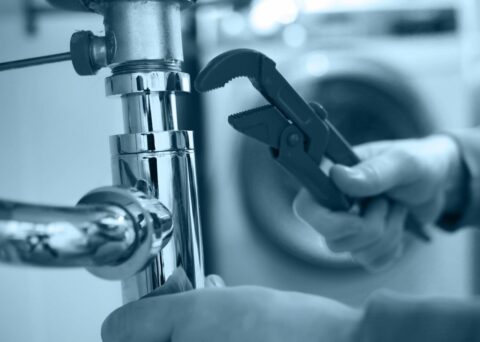
Introduction to Wastewater Disposal Systems for Home Plumbing

Wastewater Disposal Systems for Home Plumbing

Wastewater disposal is a critical aspect of home plumbing that ensures the safe and efficient removal of used water and waste from residential properties. Proper wastewater disposal systems are essential for maintaining hygiene, protecting public health, and preserving the environment. This article provides a comprehensive introduction to wastewater disposal systems for home plumbing, covering the basics of how they work, the different types of systems available, and the importance of proper maintenance.

1. Understanding Wastewater

1.1 What is Wastewater?

Wastewater is any water that has been used in homes, including water from sinks, showers, toilets, washing machines, and dishwashers. It contains a mixture of water, organic matter, chemicals, and other contaminants that need to be treated before being released back into the environment.

1.2 Types of Wastewater

There are two main types of wastewater generated in homes:

  1. Greywater: This is wastewater from non-toilet plumbing fixtures such as sinks, showers, and washing machines. Greywater typically contains fewer contaminants than blackwater and can sometimes be reused for irrigation or other non-potable purposes.
  2. Blackwater: This is wastewater from toilets and kitchen sinks (if a garbage disposal is used). Blackwater contains human waste, food particles, and other organic matter, making it more hazardous and requiring more intensive treatment.

2. Components of a Home Plumbing Wastewater Disposal System

A home wastewater disposal system consists of several key components that work together to collect, transport, treat, and dispose of wastewater. These components include:

2.1 Drain Pipes

Drain pipes are the network of pipes that carry wastewater from various fixtures in the home to the main sewer line or septic tank. These pipes are typically made of PVC, ABS, or cast iron and are designed to handle the flow of water and waste without leaking or clogging.

2.2 Vent Pipes

Vent pipes are an essential part of the home plumbing system that allows air to enter the drain pipes, preventing vacuum formation and ensuring smooth wastewater flow. They also help to vent sewer gases out of the home, reducing the risk of unpleasant odors and potential health hazards.

2.3 Traps

U-shaped pipes called traps are found underneath showers, sinks, and other fixtures. They contain a tiny quantity of water that forms a seal and keeps sewer gasses out of the house. P-traps, S-traps, and bottle traps are examples of common trap types.

2.4 Main Sewer Line

The main sewer line is the primary pipe that carries wastewater from the home plumbing to the municipal sewer system or septic tank. It is typically larger in diameter than other drain pipes to handle the combined flow of wastewater from all fixtures.

2.5 Municipal Sewer System

In urban and suburban areas, homes are often connected to a municipal sewer system. This system collects wastewater from multiple homes and transports it to a centralized treatment plant, where it is treated before being discharged into the environment.

2.6 Septic System

Septic systems are used to dispose of wastewater in rural locations or in residences without access to a municipal sewage system. A drain field plus a septic tank make up a septic system. The liquid effluent can be absorbed into the soil in the drain field after the septic tank separates the solids from the liquids.

3. Types of Wastewater Disposal Systems

There are several types of wastewater disposal systems available for homes, each with its own advantages and disadvantages. The choice of system depends on factors such as location, soil type, local regulations, and budget.

3.1 Municipal Sewer System

3.1.1 How It Works

Home plumbing connected to a municipal sewer system have their wastewater transported through a network of pipes to a centralized treatment plant. At the treatment plant, the wastewater undergoes a series of processes to remove contaminants before being discharged into a river, lake, or ocean.

3.1.2 Advantages

  • Convenience: Homeowners do not need to worry about maintaining the system, as it is managed by the local municipality.
  • Reliability: Municipal sewer systems are designed to handle large volumes of wastewater and are generally reliable.
  • Environmental Protection: Wastewater is treated to a high standard before being released, minimizing environmental impact.

3.1.3 Disadvantages

  • Cost: Homeowners may be required to pay monthly sewer fees, which can be expensive.
  • Limited Control: Homeowners have no control over the maintenance or operation of the system.

3.2 Septic System

3.2.1 How It Works

A drain field plus a septic tank make up a septic system. Home plumbing wastewater enters the septic tank, where oils and grease float to the top as scum while solids sink to the bottom and create sludge. After leaving the tank, the liquid effluent enters the drain field, where it is naturally filtered and absorbed by the soil.

3.2.2 Advantages

  • Independence: Homeowners are not dependent on a municipal sewer system, making septic systems ideal for rural areas.
  • Cost-Effective: While the initial installation cost can be high, septic systems typically have lower ongoing costs compared to municipal sewer systems.
  • Environmental Benefits: Properly maintained septic systems can be environmentally friendly, as they rely on natural processes to treat wastewater.

3.2.3 Disadvantages

  • Maintenance: Septic systems require regular maintenance, including periodic pumping of the septic tank to remove accumulated sludge and scum.
  • Space Requirements: Septic systems require sufficient land for the drain field, which may not be available in densely populated areas.
  • Potential for Failure: If not properly maintained, septic systems can fail, leading to backups, odors, and environmental contamination.

3.3 Aerobic Treatment Unit (ATU)

3.3.1 How It Works

An Aerobic Treatment Unit (ATU) is a type of septic system that uses oxygen to break down organic matter in wastewater more efficiently. The system includes an aeration chamber where air is pumped in to promote the growth of aerobic bacteria, which digest the waste. The treated effluent is then discharged into a drain field or reused for irrigation.

3.3.2 Advantages

  • Efficiency: ATUs are more efficient at treating wastewater than conventional septic systems, producing cleaner effluent.
  • Space-Saving: ATUs require less space for the drain field compared to traditional septic systems.
  • Versatility: ATUs can be used in areas with poor soil conditions where conventional septic systems may not be suitable.

3.3.3 Disadvantages

  • Cost: ATUs are more expensive to install and maintain than conventional septic systems.
  • Energy Use: ATUs require electricity to operate the aerator, increasing energy consumption.
  • Maintenance: ATUs require regular maintenance to ensure proper operation and prevent malfunctions.

3.4 Greywater Recycling System

3.4.1 How It Works

A greywater recycling system collects wastewater from sinks, showers, and washing machines, treats it, and reuses it for non-potable purposes such as irrigation, toilet flushing, or laundry. The system typically includes a filtration unit to remove solids and a disinfection unit to kill bacteria.

3.4.2 Advantages

  • Water Conservation: Greywater recycling reduces the demand for fresh water, conserving valuable resources.
  • Cost Savings: Reusing greywater can lower water bills and reduce the load on septic systems or municipal sewer systems.
  • Environmental Benefits: Greywater recycling reduces the amount of wastewater that needs to be treated and discharged, minimizing environmental impact.

3.4.3 Disadvantages

  • Initial Cost: Greywater recycling systems can be expensive to install.
  • Maintenance: The system requires regular maintenance to ensure proper filtration and disinfection.
  • Regulatory Restrictions: Some areas have strict regulations governing the use of greywater, which may limit its applicability.

4. Importance of Proper Maintenance

Proper maintenance of wastewater disposal systems is crucial to ensure their efficient operation and prevent costly repairs or environmental contamination. Here are some key maintenance tips for different types of systems:

4.1 Municipal Sewer System

  • Avoid Flushing Non-Biodegradable Items: Do not flush items such as wipes, sanitary products, or grease down the drain, as they can cause blockages in the sewer system.
  • Regular Inspections: Have your home plumbing’s sewer line inspected regularly to detect and address any potential issues before they become major problems.

4.2 Septic System

  • Regular Pumping: Have your septic tank pumped every 3-5 years, depending on usage, to remove accumulated sludge and scum.
  • Water Conservation: Reduce water usage to prevent overloading the septic system. Fix leaks and use water-efficient fixtures.
  • Avoid Harsh Chemicals: Do not pour harsh chemicals, such as bleach or drain cleaners, down the drain, as they can disrupt the bacterial balance in the septic tank.

4.3 Aerobic Treatment Unit (ATU)

  • Regular Servicing: Follow the manufacturer’s recommendations for servicing the ATU, including checking the aerator, filters, and disinfection unit.
  • Monitor Effluent Quality: Regularly test the treated effluent to ensure it meets the required standards for discharge or reuse.

4.4 Greywater Recycling System

  • Clean Filters: Regularly clean or replace filters to prevent clogging and ensure efficient operation.
  • Disinfection: Ensure the disinfection unit is functioning properly to prevent the growth of harmful bacteria in the recycled greywater.

5. Environmental Considerations

Wastewater disposal systems have a significant impact on the environment, and it is important to choose and maintain a system that minimizes this impact. Here are some environmental considerations to keep in mind:

5.1 Water Pollution

Improperly treated or discharged wastewater can contaminate surface water and groundwater, leading to water pollution. This can harm aquatic ecosystems, affect drinking water supplies, and pose health risks to humans and animals. Proper treatment and disposal of wastewater are essential to prevent water pollution.

5.2 Soil Contamination

In septic systems, the drain field relies on the soil to filter and treat the effluent. If the system is not properly maintained, it can lead to soil contamination, affecting plant growth and potentially contaminating groundwater.

5.3 Greenhouse Gas Emissions

Wastewater treatment processes, particularly in municipal treatment plants, can produce greenhouse gases such as methane and nitrous oxide. These gases contribute to climate change. Choosing energy-efficient treatment systems and reducing water usage can help mitigate these emissions.

5.4 Resource Conservation

Water is a finite resource, and conserving it is essential for sustainable living. Greywater recycling systems and water-efficient fixtures can help reduce water consumption, easing the demand on freshwater sources.

6. Conclusion

Wastewater disposal systems are a vital component of home plumbing, ensuring the safe and efficient removal of used water and waste. Understanding the different types of systems available, their components, and the importance of proper maintenance is essential for homeowners to make informed decisions and protect public health and the environment.

Whether connected to a municipal sewer system or using a septic system, aerobic treatment unit, or greywater recycling system, homeowners must prioritize regular maintenance and environmental considerations to ensure the long-term functionality and sustainability of their wastewater disposal systems. By doing so, they can contribute to a cleaner, healthier, and more sustainable future.

Fix Your Leaky Toilets With These Easy Methods

A leaky toilet can be an annoyance in any household, and it is important to fix the problem as soon as possible to prevent water wastage and further damage to your plumbing system. There are several ways to fix a leaky toilet, and in this article, we will discuss the best methods and tips to ensure a successful repair.

Identify the Source of Your Leaking Toilet

First and foremost, it is important to identify the source of the leak. The most common cause of a leaky toilet is a faulty flapper valve, which regulates water flow from the tank to the bowl. Over time, the flapper valve can become worn out, causing it not to create a proper seal and allowing water to leak into the bowl.

To fix this issue, the flapper valve should be replaced with a new one. A homeowner can do this simple and inexpensive repair with basic plumbing skills. You can purchase a new flapper valve at your local hardware store or online, and it should come with instructions on how to install it. Before starting the repair, make sure to turn off the water supply and flush your toilet to drain any water from the tank.

Check Your Toilet’s Fill Valve

A faulty fill valve can also cause leaky toilets. 

The fill valve is responsible for refilling the toilet tank after each flush, and if it is not functioning properly, it can cause the tank to fill with water, leading to a continuous leak. If you suspect the fill valve is the problem, it should be replaced with a new one.

Replacing the fill valve can be a bit more complicated than replacing the flapper valve, so it may be best to contact a professional plumber for this repair. Residential plumbers have the necessary skills and plumbing tools to quickly and efficiently replace the fill valve and ensure your toilet functions properly.

Fix the Loose Tank of Your Toilet

In addition to replacing faulty parts, there are other steps that can be taken to prevent a leaky toilet. One of the most important is to ensure that the toilet tank is properly secured to the bowl. If the tank is loose, it can cause water to leak around the base of your toilet. 

To fix this issue, tighten the bolts that secure the tank to the bowl, being careful not to overtighten and crack the porcelain.

fix leaking toilets

Wear and Tear Can Cause Leaky Toilets

Another way to prevent leaks is to regularly inspect the toilet for any signs of wear and tear. Check the flapper valve and fill valve for signs of damage or wear, and replace them if necessary. Look for cracks or other damage to the porcelain bowl or tank, which can also cause leaks. By catching these issues early, you can prevent more serious plumbing problems.

Be Careful With What You Flush

Finally, it is important to careful with what you flush down the toilet. Flushing items such as paper towels, feminine hygiene products, or other non-flushable items can cause clogs in your plumbing system, leading to leaks or other issues. Ensure that only toilet paper and human waste are flushed down the toilet, and dispose of other items in the trash.

Fix Your Leaking Toilet Now!

In conclusion, a leaky toilet can be a frustrating and wasteful problem, but it can be easily fixed with the right knowledge and tools. By identifying the source of the leak and replacing any faulty parts, securing the tank to the bowl, regularly inspecting the toilet for wear and tear, and being mindful of what you flush, you can prevent leaks and keep your plumbing system functioning properly.

 If you need help fixing a leaky toilet or if the problem persists, contact a residential plumber for assistance. They can quickly diagnose the issue and provide a professional repair to get your toilet back in working order.

How Can You Avoid Home Plumbing Pipe Corrosion?

Home plumbing pipe corrosion is one of the most prevalent issues impacting home water supplies and systems. It degrades the overall quality of the water and produces a foul flavor. Furthermore, copper and lead may seep into drinking water and create health hazards.

Copper poisoning in water can cause intestinal issues in the short term and liver and kidney damage in the long run. Lead poisoning can harm children’s physical and mental development. Let us first explore some of the most prevalent causes before we discuss measures to avoid home plumbing pipe corrosion.

  • Industrial plumbing systems incorporating copper pipes can reduce the water’s pH level and cause corrosion in the water.
  • Oxygenated water can form rust in metal pipes that damages the lines and causes severe health hazards.
  • Mineral buildups can reduce the water quality and form clogs
  • In some systems, hot water can cause home plumbing pipe corrosion and make them toxic.

Cleaning the Pipes Before Installation

Pre-installation pipeline cleaning is one of the most efficient strategies to avoid water. Everyone should clean the lines of commercial or residential plumbing systems before installation and remove all dirt to extend the plumbing system’s life.

Use a cleaning solution to fully clean your home’s water system and prevent home plumbing pipe corrosion. The water should be flushed out of the system frequently until clean and clear water emerges.

prevent plumbing pipe corrosion

Why Do We Need to Clean Pipes Pre-Installation?

You can find Mill scale, jointing compounds, and a variety of other materials associated with the industries and constructions in newly created water pipes.

Systems not thoroughly cleansed of these impurities before use may accumulate sludge and germs over time. As a result, home plumbing pipe corrosion, obstructions, and biodegradation can occur, resulting in inefficiencies, leaks, and other expensive system failures.

Inadequate cleaning can leave suspended particles, biofilm, grease, and other impurities in your system, forming an impenetrable coating on the piping. As a result, inhibitors will not reach the metal surface and will be unable to prevent further corrosion, amplifying the home plumbing pipe corrosion.

Maintaining a Steady PH level in the water.

It is critical to keep water’s pH stable to have healthy drinking water and prevent water pipe corrosion. A healthy pH level implies it should be neither acidic nor alkaline. It should have a pH level of 7 that is balanced. If the pH level of the water is greater than 7, it is alkaline; if the pH level is less than 7, it is acidic. Rain that falls on the ground is generally acidic because it takes up carbon dioxide as it falls and converts it to carbonic acid.

The soil’s limestone and dolomite (calcium magnesium carbonate) can neutralize the acid, making it more alkaline. Water containing calcium and magnesium salts is less corrosive because these minerals cover the inside pipes, protecting against home plumbing pipe corrosion.

Prevent Home Plumbing Pipe Corrosion by Using Phosphates

Phosphates are occasionally added to water supplies to prevent water pipe corrosion. They operate as a corrosion inhibitors, preventing metals from leaching from lead and copper pipes. When inorganic phosphates are introduced to the water supply, an insoluble protective mineral scale coating forms on the interior of service pipes and domestic water lines. This protects the lines against home plumbing pipe corrosion.

Compared to a typical adult diet, the quantity of phosphate in a water supply is relatively small. But it’s crucial for phosphates and other chemical water treatments to be handled by specialists who know how to determine which treatment is best suited to avoid home plumbing pipe corrosion while not making the water toxic from these chemicals.

prevent plumbing pipe corrosion

Using Chlorine to Prevent CPVC Home Plumbing Pipe Corrosion

Chlorine is widely used to keep hazardous germs at bay and to prevent material buildup in cooling towers and recirculating systems. But it’s vital for home plumbing pipe corrosion safety; remember that chlorine can cause damage to other pipes besides CPVC. As the name chlorinated polyvinyl chloride implies, CPVC is inherently very impervious to chlorine and the degradation it can cause to other materials.

Therefore, adding chlorine tablets to the water supply is one of the most significant ways to avoid water corrosion if your property utilizes CPVC pipes. Chlorine serves as a disinfectant and may destroy bacteria and pathogens. This is an efficient method of protecting water and avoiding home plumbing pipe corrosion for drinking while also killing bacteria that cause water corrosion.

How to Avoid Galvanic Corrosions

Not every metal gets along. Galvanic corrosion occurs when one metal draws electrons from another; as a result, the structure is weakened. For example, if aluminum and carbon steel are joined and submerged in seawater, the aluminum will corrode faster, but the steel will be protected. Let’s look at two of the most common ways how we can avoid home plumbing pipe corrosion for this issue:

Insulating the Metals

Metals such as copper are excellent conductors of electricity but are susceptible to electrolysis and galvanic corrosion. Underground copper or brass pipes can rot away if not shielded from this type of home plumbing pipe corrosion. PVC or plastic irrigation tubing can be utilized to insulate these metals. Paints, coatings, oils, and greases are also acceptable.

Using Home Plumbing Pipe Corrosion Inhibitors

The most efficient galvanic corrosion inhibitors remove dissolved oxygen from the electrolyte solution. Removing oxygen reduces the likelihood of reduction occurring at the anode, and the home plumbing pipe corrosion process is halted.


Best 5 Ways to Improve Water Heater Efficiency

One of the appliances in our modern homes with the highest energy consumption is the water heater. Do you want to learn how to improve water heater efficiency? If so, then read on. When you improve water heater efficiency, you can cut back on your heating costs.

There are several easy methods and modest investments you can make to reduce energy expenses, improve the performance of your hot water heater, and improve water heater efficiency, whether it is an electric or gas model.

Some of the tips provided are simple, and you can do them easily, while some will require you to get help from a professional. Depending on your needs, you might need residential plumbing, commercial plumbing, or industrial plumbing services to get an efficient water heater system.

Right-Sized Water Heater will Improve Water Heater Efficiency

Is your water heater the proper capacity for your home? You might believe that a smaller water heater makes them superior for saving energy, but you’d be mistaken. Why? Because an underpowered water heater is overburdened, it’s been heated too much, so while you use the hot water, the burner must be running continuously.

This doesn’t help to improve water heater efficiency. Large utility bills may result from that hot water heater running nonstop! Which decreases water heater efficiency. Instead, make an investment in a bigger water heater that can sustain the hot water demands of your household.

If your existing hot water heater seems to be in continual use, it could be time for an update that will improve water heater efficiency subsequently.

Keep an Eye on Particles in the Tank 

If you reside in a region where the water is hard, you are aware that this may have a considerable effect on the efficiency of water heaters. These minerals crystallize and deposit on the bottom of your hot water heater as the water is heated. This debris lowers water heater efficiency and then, over time, slows your water heater.

Emptying the water heater’s tank once a year can help maintain your tank by cleaning the debris to help improve water heater efficiency. You can do this yourself by reading company guidelines and safety instructions or call a residential plumbing service, commercial plumbing service, or industrial plumbing service according to your needs.

To Improve Water Heater Efficiency, Invest in a Tankless Water Heater 

Perhaps you have heard the questions concerning the efficiency of water heaters regarding regular tank and tankless options. Tankless versions are the latest, high-performance, and most efficient type of water heater. This type will require less effort to improve water heater efficiency.

They may give you an infinite supply of hot water while saving you up to 40% on energy costs. Tankless water heaters only operate when you’re actually utilizing the hot water, unlike conventional water heaters. This will improve water heater efficiency for your home.

Traditional water heaters heat the water and afterward keep it hot, switching on and off to keep water held in a big reservoir heated for hours, even when not in use. But on the other hand, tankless water heaters switch on when you turn on the hot water tap and off when you turn it off, resulting in significant savings over traditional tank hot water heaters, which makes this type an efficient water heater.

Improve Water Heater Efficiency by Insulating the Water Tank and Pipes

The tank and pipework of your hot water heater can be considered the source of heat and energy loss. It will lose less heat if you install more insulation around the storage-style water heater. Especially with gas-fired water heaters, install the insulating according to the requirements of the manufacturer to avoid blocking the air inlet.

Consider insulating the water tank and the external pipes to save the most energy and improve water heater efficiency, preventing heat loss as freshly heated water travels from the water heater to its final destination. Insulation blankets are reasonably priced and can significantly lower your energy costs!

While you try to improve water heater efficiency, be sure not to block the water heater’s top, bottom, thermostat, or burner for gas tanks or the thermostat for electric tanks. Insulate hot water pipes as well. It is more likely that you won’t be wasting energy and resources the next time you use hot water if the water in hot water pipes remains warm after you run the tap. This makes a lot of difference in improving water heater efficiency.

Turn Down Your Thermostat

Simply decreasing the hot water heater’s thermostat can have a substantial impact on your energy bill and help to improve water heater efficiency, just like you’d do with your heater during the winter or your air conditioner during the summer. A hot water heater’s factory setting is normally 60 degrees Celsius.

By decreasing your water temperature by just 10 degrees, you could save 3–5% on your overall water heating costs. It’ll also improve water heater efficiency. If your thermostat is broken or does not display the temperatures, it might be a bit difficult to improve water heater efficiency this way, but it is not impossible. You can just use a thermometer to get the required temperature.

If you have young kids, they may be at risk of accidentally burning themselves because a temperature of 60 degrees Celsius is too hot for human skin tissue. Lowering your thermostat to 50 degrees Celsius is the best way to improve water heater efficiency while also lowering this risk factor. 

All hot water pipes in new home construction need to be insulated. Except for pipes that are easily accessible, such as those in a basement, insulating pipes in older homes can be fairly complex and may not be worth the effort.


An alternative system, such as a solar water heater, will be able to improve water heater efficiency in general and satisfy a larger portion of your needs.

Everything You Need to Know About Industrial Plumbing Systems

There are various types of plumbing services in Canada that plumbing contractors provide for residential and commercial facilities. The primary ones are commercial plumbing, residential plumbing, and industrial plumbing systems. Each plumbing system requires unique services and knowledge to maintain and work efficiently. Additionally, every plumbing system is used for a particular purpose and application. This article primarily focuses on industrial plumbing systems, and by the end, you will learn everything you need to know about these plumbing systems.

What are Industrial Plumbing Systems?

Industrial plumbing systems are created to connect commercial buildings or other areas of a business with a water supply. Industrial plumbing services refer to installing, maintaining, and repairing these systems.

Industrial plumbing systems also refer to pipes and lines transporting wastewater away from an industrial facility.

Industrial and commercial plumbers in Canada are trained to install fixtures and plumbing equipment to distribute water and waste within the facility.

Industrial plumbers in Canada are responsible for installing equipment that is mainly used for different industries, including:

  • Food
  • Healthcare
  • Chemical Manufacturers

In industrial plumbing systems, water is filtered, heated, pumped, and travels through the piping lines to tap around the facility. Wastewater from an industrial building is treated before it is transported away from the facility.

The water and wastewater pipes in the industrial plumbing systems are made from metal or plastic such as PVC.

Industrial plumbing also involves pipes and lines that carry different gasses or steam for the cooling or heating system of the building. These gas pipes are also made from metal or PVC.

Professional industrial plumbers in Canada have the education, experience, and license to offer industrial plumbing services. However, you can quickly learn commercial plumbing basics if you want to become a plumber.

industrial plumbing services and systems

Standard and Common Types of Industrial Plumbing Services in Canada

The most common service for industrial plumbing systems is installing and repairing water pipes, gas lines, and vents. Industrial plumbing services also include using fittings to construct fixtures such as showers or sinks. These fixtures are not referred to as toilets since they belong to a different trade.

Industrial plumbers may sometimes have to install small appliances such as toasters and coffee makers in commercial spaces since these appliances require specialized piping for the operation, which belongs to the industrial plumbing systems. However, their primary duty is to install large equipment such as air handlers or compressors for heating systems of new buildings or business areas that already exist.

Professional and experienced industrial plumbers also work with pipe threading and cutting for large-scale applications. Pipe cutting is an industrial fabrication that involves shearing or sawing sections of metal or plastic pipes to adjust their length or diameter. Threading is a process that is done to adjust the size of the hole in the draining pipes.

Cost of Industrial Plumbing Applications in Canada

Plumbers in Canada charge per hour for their work, and the cost will vary depending on the type of plumbing service you require, your building’s location, and the time it takes them to complete the project. Additionally, their experience level will affect the cost.

For instance, it is expected that you will have to pay more for a complex project such as adding plumbing fixtures than you would for a simple application such as replacing water in your faucet. If you need cost estimation for your plumbing services in Canada, contact O Plus Plumbing.

Industrial Plumbing Systems vs. Commercial Plumbing

Industrial plumbing systems differ from commercial ones since they are constructed with different requirements and characteristics. For example, industrial plumbers install equipment that is mainly used in industries such as healthcare and chemical manufacturers, and the commercial plumbers are responsible for installing equipment such as toilets, sinks, faucets, and other commercial plumbing fixtures.

Industrial plumbing systems are generally more complex than commercial ones. The walls of the commercial piping lines are thinner depending on the material that is used, and they usually require additional insulation since most commercial facilities are indoors. Heat is available to keep water from freezing in cold winters in these facilities.

The pipework used in industrial plumbing systems accommodates and withstands high quantities of water and pressure due to its larger diameter. As told, commercial pipelines are thinner, and accessing them is easier compared to industrial plumbing systems.