What are Plumbing Vents?

Plumbing Vents – Everything to Know

The significance of plumbing vents is often overlooked, resulting in a lack of knowledge on how to properly maintain them in case of damage. To address this, Art Plumbing, Air Conditioning & Electric provides you with a comprehensive guide on everything you should know about these underappreciated components of your plumbing setup.

Do You Know What Plumbing Vents Are?

You may have noticed a white pipe protruding from your roof and wondered about its purpose. Chances are, it is a plumbing vent. Your home’s plumbing fixtures, such as sinks and toilets, are interconnected by pipes through which wastewater and sewage flow. However, these pipes can accumulate gases that require ventilation. Plumbing vents are designed to regulate the air pressure within your plumbing system. In the same way that pipes facilitate water drainage, vents facilitate the expulsion of gases that have accumulated within the plumbing system.

what are plumbing vents

Should You Have Plumbing Vent Systems?

Indeed, it is crucial to vent gases outside of your home, as we previously noted. Inhaling these gases can pose a significant risk to your health. Moreover, plumbing vents facilitate the entry of oxygen into the plumbing system, which aids in the efficient breakdown of waste products.

How do Plumbing Vents Work?

Plumbing vents operate on the premise that maintaining neutral air pressure within your plumbing system is critical for effective waste disposal. Inadequate air pressure can cause sewer gas to flow back into your home, leading to unpleasant odors. On the other hand, optimal air pressure generates a vacuum effect that propels gas and waste through the pipes at a faster rate. The above description provides a simplified explanation of plumbing vent operation. If you require more detailed information, feel free to inquire with one of our expert plumbers during your next appointment.

how do plumbing vents work

How do Professionals Install Plumbing Vents?

  1. Determine the correct size and location of the vent based on the plumbing code requirements and the layout of the plumbing system.
  2. Identify the ideal position for the vent on the roof of the building considering factors such as the location of other vents and the direction of the prevailing winds.
  3. Cut a hole in the roof at the chosen location and install a vent flashing over the opening to prevent leaks.
  4. Install a vent pipe that extends from the plumbing fixture up to the vent flashing on the roof.
  5. Connect the vent pipe to the main vent stack, ensuring that the connection is airtight.
  6. Test the vent system to ensure that it is functioning correctly and that there are no leaks or blockages.
  7. Complete the installation by sealing any gaps or openings around the vent flashing to prevent water infiltration.

installing plumbing vents

How to Install Them?

In accordance with building codes, it is now mandatory to have a plumbing vent and trap for every plumbing fixture in your home, such as toilets, sinks, and bathtubs. Improper installation of these components can lead to insufficient ventilation and the backflow of hazardous sewer gases into your living space. 

This can cause serious health risks to you and your family. To ensure compliance with code regulations and safeguard your health, it is crucial to engage the services of a professional plumber to install your vents.

What to Do If You Have Broken Vents?

Persistent foul odors emanating from your plumbing fixtures, despite regular cleaning, may signify a problem with your plumbing vents. Similarly, gurgling, bubbling, or sucking sounds emanating from your drains could indicate insufficient air pressure within the system. The main vent stack, which connects all the vents within the system, is situated on the roof and is susceptible to weather conditions and external factors that could cause blockages. If you suspect that any of your plumbing fixtures are exhibiting signs of a blockage, it is crucial to engage a professional plumber to address the issue. Attempting to resolve the problem using DIY methods could exacerbate the situation since plumbing systems are complex and difficult to understand. Hiring a professional to perform the repairs is the recommended course of action.

How do Professional Repair These Vents?

When a plumbing vent is broken, or malfunctioning, a professional plumber will typically follow these steps to fix it:

1. Diagnose the problem: The first step is to identify the root cause of the problem. The plumber will inspect the vent system, looking for signs of damage, blockages, or other issues that may be affecting its performance.

2. Clear any blockages: If the problem is due to a blockage, the plumber will remove it using specialized tools such as a drain snake or a high-pressure water jet.

3. Repair or replace damaged components: If any components of the vent system are damaged, such as the vent flashing or the vent pipe itself, the plumber will repair or replace them as needed.

4. Ensure proper ventilation: The plumber will ensure that the vent system is providing adequate ventilation to prevent sewer gas from building up in the plumbing system and causing foul odors.

5. Test the system: After the repairs are complete, the plumber will test the vent system to ensure that it is functioning correctly and there are no leaks or other issues.

Common Plumbing Problems that All Homeowners Experience

It is inevitable for homeowners to encounter plumbing problems. While some of these issues may stem from the natural wear and tear of fixtures or the general use of plumbing equipment, others may result from improper usage and maintenance of particular systems.

With their extensive knowledge, O Plus Plumbing can assist with common and uncommon plumbing issues. We can provide solutions for the most frequently occurring problems, as well as offer explanations of the reasons behind such issues and suggest potential remedies.

1: Leaking Faucets: The Annoying Plumbing Issue

A faucet that leaks constantly can be a source of annoyance, wastage, and financial burden. This issue is often caused by a worn-out washer or O ring, which can be easily replaced. However, corrosion or improper installation of the faucet can also be the underlying cause of the problem.

  • To determine the potential cost of the constant drip, consider utilizing a drip calculator.
  • If replacing the washer or O ring doesn’t resolve the issue, seek the assistance of professional plumbers to diagnose the problem.

leaky faucets - O Plus Plumbing Inc. | Leading Plumbing, Plumber & Drain Company in The Greater Toronto Area - Professional Plumbing & Drain In Toronto and GTA

Fix Your Leaking Faucet

To replace a worn-out washer or O-ring causing a dripping faucet, follow these steps:

  1. Turn off the water supply that leads to the affected faucet.
  2. Remove the handle and the nut beneath it.
  3. Take out the old washer or O-ring and replace it with a new one.
  4. Reassemble the faucet parts, turn on the water supply, and check for any leaks.

If the drip persists, it could be a sign of a more serious issue, and it is advisable to seek the help of a professional plumber. Alternatively, you can refer to our comprehensive guide on fixing a leaking faucet.

2: Leaking Plumbing Pipes

Experiencing leaky pipes is a prevalent plumbing problem that can happen to any homeowner. There are various causes of leaky pipes, such as:

  • High water pressure
  • Improper pipe installation
  • Corrosion of pipes
  • Damage to pipe joints
  • Cracks in seals or pipes
  • Persistent clogs

Leaking Plumbing Pipes

How to Fix This Plumbing Problem?

To resolve this plumbing problem, the solution would depend on the underlying cause of the leak. If the issue is due to persistent clogs or high water pressure, adjustments to the plumbing system or specialized equipment may be necessary to clear blockages or regulate water flow. On the other hand, if the problem results from corrosion, joint damage, or cracks in pipes or seals, replacement of the affected parts may be necessary.

To accurately diagnose the issue and determine the best course of action to effectively repair the leaky pipes, it is essential to seek the assistance of a professional residential plumber.

3: Another Common Plumbing Problem: Running Toilets

Running toilets are a common plumbing problem that many homeowners often ignore. Did you know that a continuously running toilet can waste up to 200 gallons of water per day? This amount of water waste is significant! The plumbing problems that frequently cause running toilets include:

  • Worn-out flapper seals or flush valves
  • Flapper chains that are incorrectly sized
  • Problems with the refill tube
  • Corrosion of toilet handles

Fix Your Running Toilet

How to Fix Your Running Toilets?

The appropriate solution to address this prevalent plumbing problem would depend on the underlying cause of the issue. Typically, adjusting or replacing one or more of the following components can resolve the problem:

  • Flapper seal or flush valve: If the flapper seal or flush valve is worn-out or damaged, it may need replacement.
  • Refill tube: A running toilet can also be caused by issues with the refill tube, such as blockages or a poorly positioned float. In such cases, adjusting or replacing the refill tube can be necessary to resolve the problem.
  • Flapper chain: An improperly sized flapper chain can prevent the flapper seal from closing correctly, leading to continuous water flow into the toilet bowl. This issue can often be solved by adjusting or replacing the chain.
  • Toilet handle: The flush plumbing mechanism can malfunction due to corrosion of the toilet handle, resulting in a running toilet. Replacement of the handle may be necessary.

It’s best to ask a plumber for help to find out what’s causing the problem and figure out the best way to fix a running toilet.

4: Experiencing Low Water Pressure

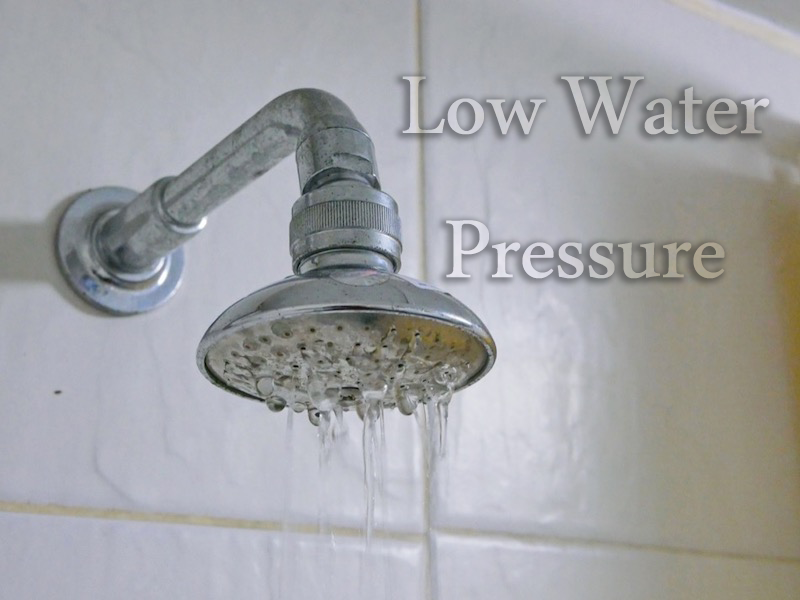
Low water pressure is a common issue affecting how well your plumbing system works. It could indicate other plumbing issues like corroded pipes, hidden water leaks, clogged drains or sewers, and damaged or blocked sewer lines.

low water pressure

How Can You Fix This Plumbing Problem?

To resolve this common plumbing problem, it’s important to identify the root cause of the problem. Here are some general steps to follow:

  1. Make sure the water pressure regulator is set correctly.
  2. Inspect all visible pipes, valves, and faucets for leaks.
  3. Check for clogs in pipes, faucets, and showerheads that could be causing the low water pressure.
  4. If you’re unable to identify the cause of the problem, it’s best to seek the help of a professional plumber.

5: Having Problems With Hoses Bibb

A leaking hose bibb is a common plumbing issue that can occur during spring and summer due to damage caused by cold winter weather. To prevent this issue, investing in a frost-proof hose bibb is advisable, which can reduce the risk of future leaks.

hose bibb problem

6: Clogged Drains are The Most Common Plumbing Problems

Clogged drains are a common plumbing issue that should be addressed promptly to avoid future costly damage.

If left unresolved, clogged drains can cause health hazards and result in more significant and expensive plumbing problems.

When you have slow or clogged drains at home, the solution depends on the cause of the problem. If it’s only in one area, it may be due to a buildup of debris that can be cleared through regular cleaning. However, if you have multiple slow or clogged drains, it could signal a more serious problem with your sewer line. It’s important to call a professional plumber if you notice this, especially if the issue starts with your lowest drains, to prevent a sewage backup and related health hazards.

clogged drains

How to Get Rid of Your Clogged Drains?

While plungers or drain snakes can fix minor clogs, it’s recommended to call a professional plumber for persistent or widespread clogs. Trying to resolve severe clogs yourself may worsen the situation or harm your plumbing system. Moreover, using chemical drain cleaners, a popular DIY solution, can damage your pipes and create additional issues later on.

7: Sump Pump Failures and Problems

Sump pumps can stop working for different reasons, such as problems with the pump or outside factors. Some reasons for sump pump failure include a stuck switch, too much water after heavy rain, clogged pipes, wrong installation, and old age. If a sump pump is ten years old, it might be more likely to fail.

sump pump failure

Solution for Sump Pump Failures

The solution for sump pump failure depends on the specific cause of the problem. Some common steps you can take to fix the issue include checking for power supply issues, clearing any clogs in the discharge pipes, testing and cleaning the float switch, and replacing any worn-out parts. However, if the problem persists, it’s best to contact a professional plumber to diagnose and fix the issue.

8: Water Heater Problems

Another typical plumbing problem in households is a malfunctioning water heater, which can turn into an emergency if it fails to provide enough or any hot water.

Water heaters can experience various issues that cause problems, such as:

  1. Using the wrong size or type of system
  2. Improper installation
  3. Heating element failures
  4. Corrosion or sediment buildup in systems
  5. Loose or broken electrical connections.

water heater problems

How to Fix Your Water Heater Issues?

  1. Verify power supply: If you have an electric water heater, ensure that it is receiving power. Check the circuit breaker and reset it if necessary. For gas heaters, confirm that the pilot light is lit.
  2. Inspect the thermostat: If the water temperature is not hot enough, adjust the thermostat accordingly. If it still doesn’t heat correctly, the thermostat may need replacing.
  3. Examine the heating element: If the water is not heating up at all, there may be an issue with the heating element, and you may need to replace it.
  4. Look for leaks: Check for leaks in the tank or the pipes leading to and from the water heater. If any leaks are found, consider replacing the affected parts.

It’s advisable to seek the assistance of a licensed plumber to identify and resolve any issues with your water heater if you’re not confident in troubleshooting or repairing it yourself.

How to Fix a Leaky Faucet Like a Pro?

As leaky faucets are a common plumbing issue for homeowners, it is essential for them to have knowledge of how to fix them. While hiring a professional plumber may appear trivial, you may prefer the certainty of repairing the faucet yourself. The process involves getting under the sink and following the steps outlined below, but it is not a complicated task.

To repair a leaky faucet like a professional, follow the steps below.

Step 1: Find where the faucet is leaking from.

To fix a leaky faucet, start by shutting off the cold-water supply valve beneath the sink to detect the leaky faucet valve. If the leak stops, the issue is with the cold-water faucet. If the leak persists, close the hot-water valve and reopen the cold supply valve. If the leak stops, the issue is with the hot water valve. If the problem continues, then both valves need maintenance.

Step 2: Remove the cap of the faucet handle.

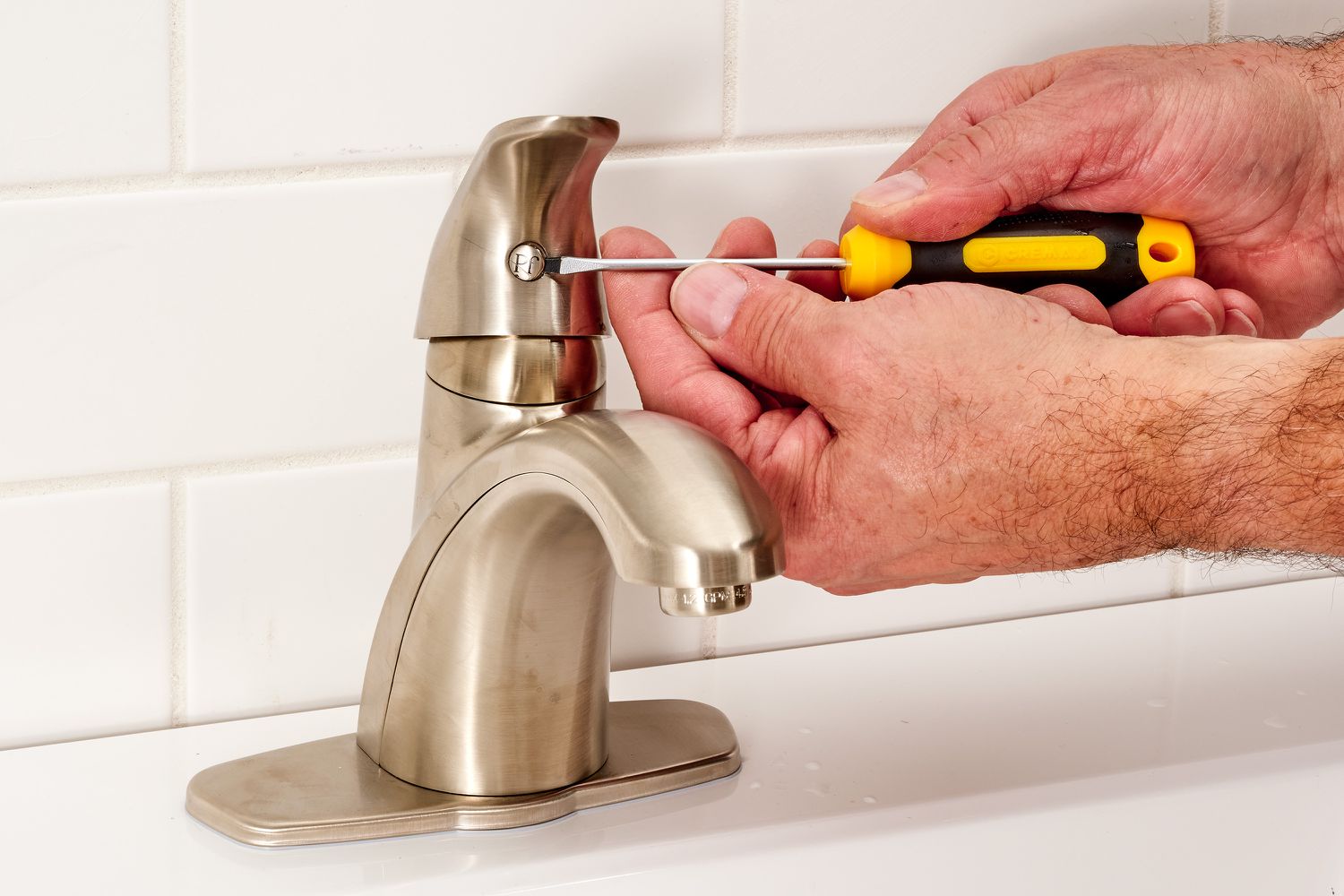
To fix a leaking faucet, turn off the water supply valves located below the sink and open the faucet valves. Then, use a slim screwdriver to take off the decorative cap that covers the faucet handle.

removing the cap of a faucet handle

Step 3: Take out the screws holding the faucet handle

To remove the handle, you’ll need a screwdriver. Find the screw that holds the handle to the cartridge and use the screwdriver to loosen it. When the screw is out, gently pull the handle away from the cartridge until it comes off. If the handle is difficult to remove, apply a little force, but be careful not to damage any other parts of the faucet.

Step 4: Remove the Retaining Nut to Fix a Leaky Faucet

To take off the holding nut, use a wrench to turn it counterclockwise until it loosens. The retaining nut is situated below the handle assembly and holds the cartridge in place. After loosening the nut, remove it by hand, taking care not to damage other parts of the faucet.

Step 5: Remove the cartridge to fix the leaky faucet

To fix a leaky faucet, the next step is to remove the cartridge. After extracting it, examine the cartridge for any wear or damage that may be causing the leak. The most frequent cause of a leaky faucet is a worn-out cartridge.

If the cartridge is not worn out too much, cleaning it may resolve the problem. Check the cartridge surface for mineral buildup or debris that can obstruct the water flow. After inspecting, cleaning, or replacing the cartridge, reassemble the faucet by reversing the previous steps to fix the leaky faucet.

Removing the cartridge to fix the leaky faucet

Step 6: Remove the Seal and Spring from Your Faucet

To remove the seal and spring, use needle-nose pliers or a pair of tweezers. These components are situated inside the faucet body and can be taken out after removing the cartridge.

After reaching the cartridge opening, use pliers or tweezers to hold the top of the seal and spring set and gently pull them out. Be sure to pull them straight out and not at an angle to avoid bending them.

Inspect the seal and spring for cracks, tarnishing, or other damages that may cause the leak after removing them. A worn-out or damaged seal is a frequent cause of a leaky faucet. Therefore, to fix a leaky faucet, it is crucial to clean, repair, or replace the seal as needed before reassembling the faucet.

Step 7: Reassemble the faucet

With the damaged components addressed, it’s time to put the faucet back together. Start by reinserting the seal and spring into the faucet body and using your pliers or tweezers to ensure they are seated properly. Be sure to align the seal on the spring correctly if you have replaced either part.

To continue fixing a leaky faucet, carefully place the cartridge back into its designated spot, making sure the grooves on the cartridge are correctly aligned with the tab on the faucet body. Use a cartridge-pulling tool or light hammer taps to help position the cartridge, if needed.

After that, use a wrench to tighten the retaining nut by turning it clockwise until it is securely in place. However, be careful not to tighten it too much as it may damage the cartridge.

To complete the process, put the handle back in its position by firmly pushing it onto the cartridge stem. Use the screwdriver to secure the handle by tightening the screw. Check the handle for any looseness or wobbling and make sure it moves smoothly.

Great job! By following the steps and carefully reassembling your faucet, you have successfully fixed the leak. It’s important to regularly maintain your faucet and promptly address any leaks to prevent further damage and save water.

Step 8: Think about hiring a professional plumber for more complicated issues

If you have attempted all of the steps and the faucet still leaks, it is advisable to seek assistance from a professional plumber. An unrepaired leaky faucet can result in expensive water bills and even cause water damage to your property.

Professional residential plumbers possess the expertise, tools, and experience required to identify and repair leaks that may be beyond your DIY capabilities. Additionally, they can advise you on whether it is more cost-effective to replace the entire faucet, particularly if your current one is outdated or significantly damaged.

If you suspect that your leaky faucet may have a more complex issue that requires specialized attention, do not hesitate to contact a professional plumber. With their help, you can ensure that your faucet is completely repaired and any potential leaks are resolved. By seeking professional help, you can save time and money and avoid any further damage to your plumbing system.

Can Heated Floors Heat an Entire House Efficiently?

Radiant in-floor heating goes beyond the mere indulgence of enjoying cozy toes on frosty mornings in Canada; it provides numerous advantages. Unlike other heating systems that come with dusty ductwork, rattling radiators, or noisy vents, heated floors offer a peaceful and uniform distribution of warmth, precisely where and when you require it.

Do You Know What is Radiant In-floor Heating System?

Radiant in-floor heating is a heating system that involves the installation of electric heating elements or hot water pipes beneath the floor of a building. This method allows for heat to be radiated upward through the flooring, gradually warming the room from the ground up.

By using a thermostat, it is possible to control the temperature, and the heat is distributed evenly across the entire floor, ensuring that the space is always cozy and comfortable with a uniform warmth.

Due to the absence of ductwork or other components that may cause heat loss, radiant in-floor heating is often deemed a more energy-efficient option compared to other heating systems. It is widely used in residential and commercial buildings and can be applied to a variety of flooring materials, including tile, hardwood, and carpet.

radiant in-floor heating systems

How Do Heated Floors Work?

Radiant heating involves the installation of hot water tubes or electric wires under the floor, which radiate heat and rise upward throughout the room. This heat warms up objects in its path, leading to a more widespread distribution of heat throughout space.

Forced air heating is also common in many Canadian homes, where hot air is blown out of vents and rises quickly to the ceiling before gradually descending and cooling as it reaches the floor. This can result in uneven heating and hot and cold spots within the room. While forced air heating systems are widely used in Canada, radiant floor heating is gaining popularity due to its more efficient and even heating capabilities.

In theory, it is possible for your upper body to feel warm while your feet remain cold, as the warm air from a heating system may not always reach the floor. This is often the reason why floors tend to feel cold when you wake up in the morning.

Learn more details about how radiant in-floor heating works.

Benefits of Underfloor Heating Systems

Benefits of Underfloor Heating Systems

Radiant in-floor heating systems offer several advantages over traditional heating systems, including:

  • Energy efficiency: These systems don’t lose heat through ductwork or other components, resulting in lower energy bills and reduced environmental impact.
  • Uniform heat distribution: Heated floors provide consistent warmth throughout the room, without any hot or cold spots, creating a comfortable living environment.
  • Improved indoor air quality: Unlike forced air systems, radiant in-floor heating doesn’t circulate dust or allergens around the room, leading to cleaner and healthier indoor air.
  • Comfortable living space: Radiant in-floor heating eliminates cold surfaces and drafts, resulting in a cozy and pleasant living space.
  • Versatile installation: These systems can be installed under a variety of flooring materials, making them suitable for different types of residential and commercial buildings.
  • Noiseless operation: These systems operate quietly, without any fans, blowers, or pumps, ensuring a peaceful and serene living environment.
  • Increased home value: Installing heated floors can boost the resale value of your home, as it is considered an attractive feature by potential buyers.
  • Longevity: Radiant in-floor heating systems have fewer mechanical components than traditional heating systems, making them more durable and longer lasting.
  • Design flexibility: Heated floors don’t require visible heating fixtures, such as radiators or vents, giving homeowners more design flexibility in their living spaces.
  • Reduced carbon footprint: Radiant in-floor heating systems can be powered by renewable energy sources like solar or geothermal, making them a more environmentally friendly option.

heat an entire home with radiant in-floor heating

Is Radiant Floor Heating Effective for Heating an Entire House?

Certainly, radiant floor heating is a very appealing choice for homeowners who prioritize both home aesthetics and energy efficiency. There are several factors to take into account when determining if radiant floor heating is suitable for your home.

To ensure that your radiant floor heating system heats your entire house effectively, here are some tips to follow:

  1. Ensure proper installation: Make sure that your radiant floor heating system is installed correctly by a professional. This includes ensuring that the heating elements are installed at the appropriate depth and spacing to achieve even heat distribution.
  2. Choose the right flooring: Some types of flooring, such as tile or stone, are better conductors of heat and will transfer warmth more effectively than others. Consult with a flooring specialist to choose the best flooring material for your home and heating system.
  3. Zone your system: If your home has multiple levels or rooms with varying heating needs, consider zoning your radiant floor heating system. This allows you to control the temperature in each area of the house independently, ensuring that each space receives the appropriate level of heat.
  4. Maintain your system: Regular maintenance of your radiant floor heating system, such as cleaning the system and checking for leaks, can ensure that it operates efficiently and effectively.

How to unclog drains safely – Clear clogged sinks, toilets, and tubs

Drains will inevitably become clogged as they handle water, hair, grease, and other solid substances. However, there is no need to hire a residential plumber for minor blockages in sinks, tubs, showers, and toilets. Various inexpensive and efficient techniques can help you unclog drains quickly and easily, allowing you to resume normal activities in no time.

However, it is essential to remember that even if you can’t unclog drains efficiently after learning the methods below, contact a plumbing company and ask for residential plumbing services.

Safest Methods for Clearing Up Clogged Drains

Numerous products in the market can dissolve the most stubborn substances clogging drains. However, such products usually contain harsh chemicals that are detrimental to your health and plumbing. Therefore, why opt for them when safer alternatives that are equally effective are accessible?

Here are some of the most effective methods to unclog drains without resorting to chemicals.

safest methods for unclogging drains

Use Dish Soap

If you find that grease has congealed in your pipes and is clogging your sink drain, causing a variety of issues, don’t fret. A readily available solution that can be found right next to your sink is dish soap. Here is how you can do it:

1. Boil water in a kettle.

2. Remove standing water from the sink and drain.

3. Pour a substantial quantity of dish soap into the clogged drain.

4. Allow the soap to drip for a few minutes to reach the blocked area.

5. Pour hot water from the kettle down the drain to flush it out.

6. Repeat the process if necessary. If the clog persists, it may be due to something other than grease.

Use Dish Soap to Unclog Drains

You Can Use a Plunger to Unclog Drains

Bathroom sinks are notorious for getting clogged with hair and soap scum. Luckily, you can use a plunger to clear your bathroom sink just like you would your toilet. However, make sure to clean the plunger thoroughly or use a separate one. Here are the steps:

1. First, remove any cover or plug from your drain.

2. Run the faucet until there’s about an inch of water in the sink.

3. Ensure a tight seal by placing the plunger completely over the drain.

4. Vigorously pump the plunger up and down for up to thirty seconds.

5. Observe how the water drains. If it remains in the sink, pump the plunger again.

Use a Plunger to Unclog Drains

Using Baking Soda is One of the Safest Ways of Unclogging Your Drain

Baking soda is a safe and natural drain cleaner that can effectively unclog drains. Combine baking soda with vinegar and boiling water to create a powerful, chemical-free unclogging solution. All you need to do is to follow these steps:

1. Boil water in a kettle.

2. To unclog and warm up the pipes, pour the boiling water into the blocked drain.

3. Refill the kettle with water and heat it up.

4. Pour a cup of baking soda and a mixture of one cup of water and vinegar down your blocked drain.

5. Cover the drain and leave it for ten minutes.

6. Pour boiling water down the drain.

7. The vinegar and baking soda mixture should loosen the clog enough for the boiling water to flush it out.

using baking soda for unclogging a drain

Use Wire Hanger

If you have a wire hanger lying around, you can use it to break up drain clogs. Here’s how:

1. Use needle-nosed pliers to straighten the hanger into a long wire while keeping the hook intact on one end.

2. Insert the hook end into the drain and rotate it while keeping a firm grip on the other end.

3. If you encounter resistance, wiggle and rotate the hanger a few more times.

4. Gently remove the hanger from the drain and wipe away any debris with a paper towel.

5. Repeat until the clog is completely cleared.

6. Be careful when using this method. Too much force can push the clog deeper into the pipe and make the problem worse.

Use Wire Hanger to clear drains

The Most Professional Method is Using Drain Snakes

If a wire hanger is ineffective, you may need to purchase a drain snake specifically designed to unclog drains. Here are the steps to follow:

1. Place the tip of the drain snake into the drain.

2. Rotate the handle at the end of the drain snake to push the tip further into the drain.

3. Continue rotating the snake into the drain until you encounter resistance.

4. Rotate the snake and continue cranking until it breaks through the clog.

5. When you break through the clog, crank the drain snake in the opposite direction to remove it from the drain.

6. Allow hot water to run through your bathroom or sink drain for a few minutes to clear the blockage.

drain snakes

Now Let’s Learn How to Unclog Any Clogged Drain 

How to fix a clogged toilet:

Forcing a clog through a toilet with a plunger can sometimes worsen the problem. Instead, form a seal and apply gentle pressure on the plunger as you push it down, then pull it back sharply. This will help you pull the clog back up towards the bowl, breaking the blockage and allowing gravity to take over.

If the clog is stubborn, a plunger may not work. In this case, a toilet auger can be used. It is designed to fit inside the toilet bowl and enables the user to thread a cable through the toilet without causing any scratches to the surface coating. The auger can break up the clog, hook it, and pull it back through the bowl.

How to fix a clogged lavatory sink:

While plungers can be useful for clearing sink clogs, it is crucial to employ the appropriate method.

Nearly all lavatory sinks that comply with the code have overflows located approximately one inch from the rim. When plunging, the pressure can potentially travel back through the overflow instead of dislodging the blockage. To avoid this, cover the overflow hole with a rag and apply hand pressure while plunging to take advantage of the hydraulic pressure.

If the plunger proves ineffective, resort to using a wire drain snake. Eliminate the pop-up assembly from the sink and insert the wire gently into the drain while rotating the handle. As soon as the snake progresses, add some extra wire and keep feeding it through. This will break up the blockage and force it through the pipe.

The sink drains often converge at a T or Y-shaped connection in bathrooms featuring two sinks. In sinks with T-shaped fittings, if a snake is inserted through one sink drain, it may potentially travel across the pipes and into the other sink rather than traveling down the drain towards the blockage. In such situations, you might need to eliminate the T-fitting, snake the drain, and subsequently substitute the T-fitting with a Y-shaped fitting.

How to fix a clogged bathtub:

When using a plunger on a shower drain, cover the overflow to create a seal. The most straightforward method is to take off the cover, place a cloth over the opening, and apply pressure with your hand. This enables the plunger to generate pressure in the drain system, hoping to push the blockage through.

If plunging does not eliminate the blockage, proceed to feed the snake through the overflow opening and down into the drain system.

The overflow creates a direct route to the trap, circumventing the narrow turn produced by the drain’s T-shape.

How to unclog a clogged drain pipe:

Bathroom fixtures such as sinks, toilets, and showers are connected to bigger drain pipes, which can also become clogged. However, regulations require the installation of a cleanout fitting at every change of direction. Simply remove the cap and employ this access point to clear the obstruction by using a pair of pliers or a wrench,

Using a larger wire snake is one method to unclog drains pipes. These snakes are typically longer and more powerful, with more aggressive tips designed to break up or hook onto the clog for removal.

To clear the clog, insert the wire snake into the drain and continue feeding it until the obstruction is removed. Whenever feasible, run water through the pipes while snaking to flush the loosened build-up through the system.

Drain-cleaning bladders can also be used to clean clogs using hydraulic force. Rubberized bladders can be attached to the end of a hose and placed inside a cleanout. As water fills the bladder, it expands, creating a seal to block the pipe.

The bladder has a hole at the tip that releases water into the drain pipe, increasing the pressure and forcing the clog to move forward and out of the system. However, note that this system can potentially damage older pipes.

Do Not Go for Chemicals

Chemical drain cleaners are only appropriate for infrequent use in running slow drains, as they cannot clear actual blockages. Furthermore, utilizing liquid drain cleaner in a drain can make the task more hazardous for anyone required to remove the blockage using a plunger or snake. In addition, chemical drain cleaners are harmful to the environment and can corrode metal pipes, resulting in drains that are too effective and cause flooding.

How to Deal With a Plumbing Emergency?

When it comes to emergencies, few can match the urgency of a plumbing crisis. As the water begins to flood your workplace or home, it’s natural to feel overwhelmed with panic. While most people might advise you not to panic, we understand how difficult that can be in the face of a plumbing emergency. Seeing water gushing from pipes or an overflowing toilet can trigger worries about damage to your property. 

Feeling upset and confused is normal, but swift action is crucial. 

When a plumbing emergency strikes, there are a few things you can do to minimize the damage and assist the plumber in their job.

plumbing emergencies

Examples of Plumbing Emergencies

A plumbing emergency can occur unexpectedly, leaving you anxious and uncertain. To put your mind at ease, here are situations that warrant an immediate call to a plumber:

  • Persistent clogs that you cannot clear
  • Unmanageable leaks that you cannot locate or fix independently
  • Noisy or leaking water heater
  • Unexplained water stains on walls, ceilings, or floors
  • The sound of running water when no fixtures are in use
  • Accumulating water beneath sinks
  • Overflowing toilets
  • Malfunctioning sump pumps

It’s essential to seek prompt assistance from a residential plumbing company or a commercial plumbing contractor as soon as you detect these problems since they can lead to costly and substantial water damage within your home.

examples of plumbing emergencies

Here are 11 Simple Steps You Can Take to Deal With a Plumbing Emergency

Here are some steps you can take during a plumbing emergency:

  1. Turn off the water supply: The first thing you should do is shut off the water to control the situation and prevent further damage. Locate the water supply valve, and turn it off. If the water is coming from a specific source, such as a sink or toilet, shut off the valve at the base of the fixture. If it’s a larger flood, you will need to turn off the main water valve.
  2. Asees Damages: Assess any damages before contacting a plumber. Providing accurate information about the issue will be crucial in solving the emergency. In case of a gas leak, open windows and doors and turn off the gas main. Do not block any exits, as this could lead to a dangerous gas buildup. Also, check for any electrical hazards and shut off the power using the circuit breaker, but avoid doing so if the electrical box is affected by the leak.
  3. Take Photos: Take photos or videos of the problem as evidence for your insurance provider and the plumber. Take additional photos after the situation has been handled.
  4. Call local water company: Consider contacting your local water company, as they may be able to provide assistance or dispatch a plumber to fix any problems with the sewer main or water line. They may also provide helpful tips for dealing with emergencies.
  5. Turn off the water heater: After turning off the main water valve, turn off the building’s hot water heater to avoid damage. When the water control valve is turned off, pressure and heat can build up in the hot water heater, leading to bursting or overheating. Make sure the gas line is turned off if you have a gas water heater.
  6. Move electronics and valuables: Remove all electronics and valuables from the flooded area quickly to prevent water damage. Move appliances, computers, televisions, furniture, rugs, and art away from the water source.
  7. Tackle small leaks: If you notice small leaks, stop them as quickly as possible to prevent further damage. Use plumber’s tape or rags, towels, and buckets to control the leak until your plumber arrives.
  8. Manage a burst pipe: If you have a burst, collapsed, or broken pipe, shut off the main water valve, and call your plumber. You can also turn off the pipe’s source valve if possible to isolate the damage.
  9. Check for clogged drains: Call your plumber if you have a clogged drain instead of attempting a DIY repair with toxic chemical cleaners that can harm pipes.
  10. Open the drains and spigots: To minimize flooding and isolate leaks, turn on any outdoor fixtures to redirect water away from your building.
  11. Call your plumber for emergency services: Get in touch with a certified plumber to examine and fix any plumbing problems, prevent additional water damage, and reinstate the regular water supply. Avoid DIY repairs, which can cause more damage and lead to expensive emergency repairs. 

Fix Your Leaky Toilets With These Easy Methods

A leaky toilet can be an annoyance in any household, and it is important to fix the problem as soon as possible to prevent water wastage and further damage to your plumbing system. There are several ways to fix a leaky toilet, and in this article, we will discuss the best methods and tips to ensure a successful repair.

Identify the Source of Your Leaking Toilet

First and foremost, it is important to identify the source of the leak. The most common cause of a leaky toilet is a faulty flapper valve, which regulates water flow from the tank to the bowl. Over time, the flapper valve can become worn out, causing it not to create a proper seal and allowing water to leak into the bowl.

To fix this issue, the flapper valve should be replaced with a new one. A homeowner can do this simple and inexpensive repair with basic plumbing skills. You can purchase a new flapper valve at your local hardware store or online, and it should come with instructions on how to install it. Before starting the repair, make sure to turn off the water supply and flush your toilet to drain any water from the tank.

Check Your Toilet’s Fill Valve

A faulty fill valve can also cause leaky toilets. 

The fill valve is responsible for refilling the toilet tank after each flush, and if it is not functioning properly, it can cause the tank to fill with water, leading to a continuous leak. If you suspect the fill valve is the problem, it should be replaced with a new one.

Replacing the fill valve can be a bit more complicated than replacing the flapper valve, so it may be best to contact a professional plumber for this repair. Residential plumbers have the necessary skills and plumbing tools to quickly and efficiently replace the fill valve and ensure your toilet functions properly.

Fix the Loose Tank of Your Toilet

In addition to replacing faulty parts, there are other steps that can be taken to prevent a leaky toilet. One of the most important is to ensure that the toilet tank is properly secured to the bowl. If the tank is loose, it can cause water to leak around the base of your toilet. 

To fix this issue, tighten the bolts that secure the tank to the bowl, being careful not to overtighten and crack the porcelain.

fix leaking toilets

Wear and Tear Can Cause Leaky Toilets

Another way to prevent leaks is to regularly inspect the toilet for any signs of wear and tear. Check the flapper valve and fill valve for signs of damage or wear, and replace them if necessary. Look for cracks or other damage to the porcelain bowl or tank, which can also cause leaks. By catching these issues early, you can prevent more serious plumbing problems.

Be Careful With What You Flush

Finally, it is important to careful with what you flush down the toilet. Flushing items such as paper towels, feminine hygiene products, or other non-flushable items can cause clogs in your plumbing system, leading to leaks or other issues. Ensure that only toilet paper and human waste are flushed down the toilet, and dispose of other items in the trash.

Fix Your Leaking Toilet Now!

In conclusion, a leaky toilet can be a frustrating and wasteful problem, but it can be easily fixed with the right knowledge and tools. By identifying the source of the leak and replacing any faulty parts, securing the tank to the bowl, regularly inspecting the toilet for wear and tear, and being mindful of what you flush, you can prevent leaks and keep your plumbing system functioning properly.

 If you need help fixing a leaky toilet or if the problem persists, contact a residential plumber for assistance. They can quickly diagnose the issue and provide a professional repair to get your toilet back in working order.

Hydronic Driveway Snow Melting Systems Cost in Toronto

Driveway snow meltings are efficient heating systems that are used for melting ice and snow and ensure safety of your home’s driveways.

There are two types of driveway heating systems which are: hydronic and elelctric.

In this guide, we will discuss the overall cost of hydronic driveway heatings in Toronto to help you decide whether these systems are within your budget.

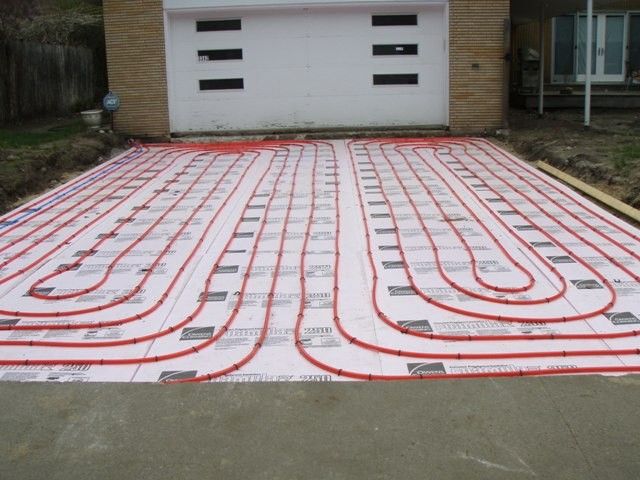
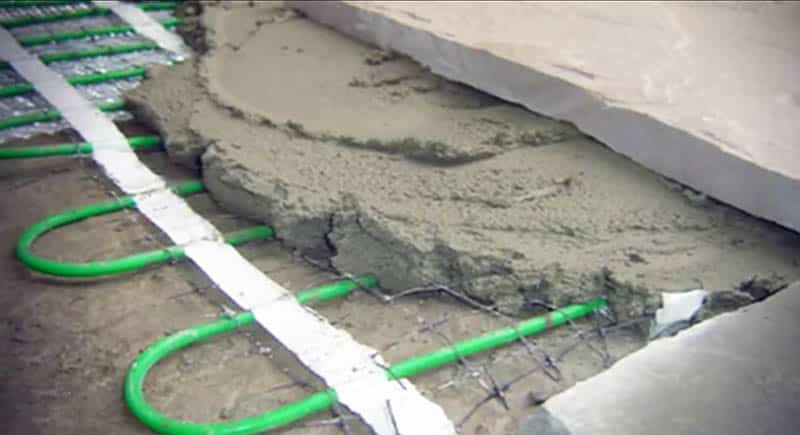
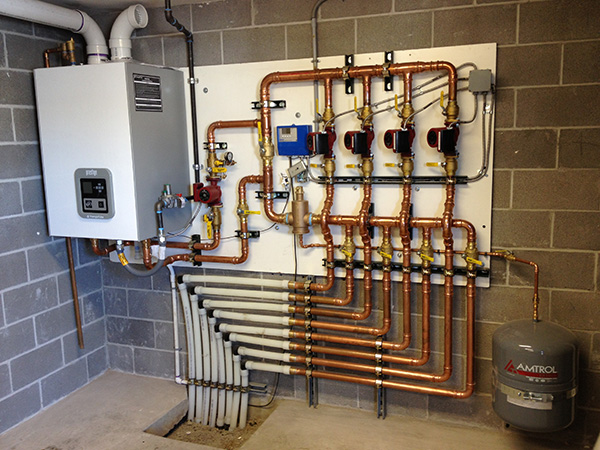
Hydronic driveway snow melting systems are expensive to install and maintain but often cost less to operate, depending on the fuel source. A boiler heats water and glycol, and a pump circulates the hot liquid through PEX tubing beneath the driveway’s surface.

Hydronic Heated Driveway System Installation Cost

Hydronic driveway heating systems must have their boiler and cannot be fueled by the home’s current boiler or water heater. The boiler must be placed indoors for easier repair during storms, and an annual check may be required. On average, boiler installation costs $3,200 to $9,000.

hydronic driveway snow melting installation cost in Toronto

Hydronic Driveway Heating System Price

Depending on the system, sensor, and controller utilized and whether asphalt or concrete is used, hydronic driveway snow melting systems costs can range from $12 to $28 per square foot. The price is also affected by the inclination of the driveway, site characteristics, drainage, and accessibility to power and gas connections.

Hydronic driveway snow melting systems cost breakdown:

The average cost per square foot for each factor is:

  • Removing old driveway: $1 – $3
  • Heating system: $9 – $20
  • New asphalt or concrete: $3 – $8
  • Total: $12 – $28

The final total cost does not include the removal of an existing driveway.

A qualified mechanical, plumbing, or electrical contractor and a certified pavement contractor must install snow melt systems for the guarantee to be valid.

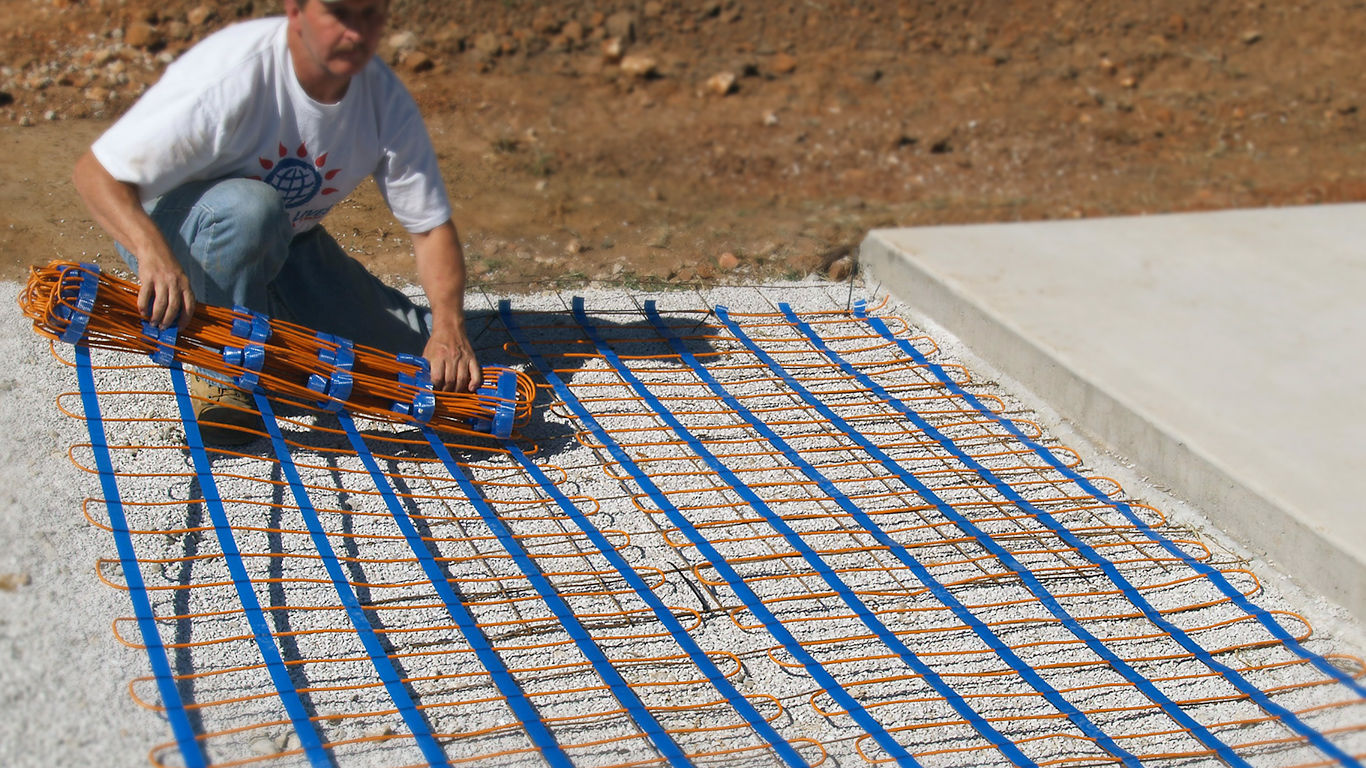
Ensure the contractor provides one or two insulating foam between the subbase and the heating wires or hydronic tubing to avoid heat loss into the earth below the driveway. More than half of the heat is lost when there is no insulation.

hydronic driveway heating systems cost

Manually controlled snow-melt systems

An on/off switch is used to activate manually controlled systems. The disadvantage of a manual system is that the homeowner must be there and awake to switch it on. If snow has already collected on the driveway when the system is turned on, melting it may take several hours.

Drainage system

Drainage is critical for heated driveway systems. Melted snow with nowhere to go refreezes on the surface as deadly black ice. The driveway should slope away from the house, and the contractor may need to build extra run-off trenches. New drainage systems range in price from $1,000 to $4,000.

Drainage pipes and gutters may also require heat wires from the snow melt system to avoid ice buildup.

Custom design elements

Adding personalized design features to a heated concrete driveway, such as colours or a stamped pattern, raises the hydronic driveway snow melting systems cost by $4 to $8 per square foot. Stone or brick paver borders range from $10 to $17 per square foot.

Money-saving considerations

Zone coverage warms only one portion of the driveway at a time, taking longer to melt all of the snow but avoiding the full coverage helps to save money on installation and operation. Just heating the tire tracks, which are two 24″ broad sections that cover the length of the driveway.

Cost to run a heated driveway

The cost of running a heated driveway of 1,000 square feet ranges from $120 to $600 every winter, depending on the system type, yearly snowfall, and local utility prices. The annual cost of running a hydronic system is between $120 to $250.

Automatic Hydronic Driveway Snow Melting Systems Cost

Installing automatic snow-melting devices costs $500 to $3,500 more. As the snow begins to fall, sensors can detect moisture and temperature and activate the driveway heater. Once the snow melts and the pavement is dry enough to avoid ice formation, the device automatically switches off.

Automatic hydronic driveway snow melting systems cost breakdown:

  • Aerial sensor: $170 – $600
  • Controller (standard): $350 – $1,300
  • In-pavement sensor: $560 – $1,400
  • Controller (Wi-Fi enabled): $1,000 – $2,000
  • Sensor socket (only for in-pavement sensors): $90 – $320

Please keep in mind all the prices are the average amount.

Aerial sensors are mounted on a pole near the driveway. In-pavement or slab sensors are inserted in the driveway’s surface socket. Typical controllers monitor the sensor and activate the heated system as necessary.

Wi-Fi controllers may be managed via a smartphone app and linked to a local weather forecasting system to begin heating before a storm.

Place the sensor where the snow first falls when establishing an automatic snow melt system. Place the sensor away from vehicle tire tracks and locations shielded by shrubs or the roof.

hydronic driveway snow melting price

Heated Driveway Pros and Cons

As with every other system, heated driveways also have advantages and drawbacks.

Pros:

  • There is no need to plough, shovel, or use a snowblower. Save time and effort by letting the system melt the snow.
  • Improve safety by reducing the possibility of slip-and-fall incidents when shovelling.
  • Avoid the formation of ice accumulation and ice buildup during freezing rain storms.
  • There is no need for rock salt or chemicals to deice the roads, automobiles, or the surrounding scenery.
  • There’s no need to wait for a snowplow or shovelling service after each storm.
  • Spend less on annual contracts for snow removal services.
  • Keep indoor floors clean by keeping snow and ice from tracking inside.
  • Avoid concrete spalling and fractures produced by frozen water to extend the driveway’s life.
  • There is no upkeep. With correct heating element installation, there should be minimal to no maintenance expenditures.

Cons:

  • Installing a hydronic driveway snow melting systems costs an average of $12 to $28 per square foot.
  • Replacement of the controller, sensors, or hydronic boiler, which are all expensive heated driveway repairs. Certain repairs may include breaking up a portion of the driveway to reach underground electric lines or hydronic tubing.
  • Concrete driveways may fracture if the heat in a hydronic system is not delivered uniformly.

Frequently Asked Questions

Here we will answer some common questions about hydronic driveway snow melting systems cost efficiency and functionality.

How does the hydronic driveway snow melting system work?

Like interior radiant floor heating, the hot liquid of the hydronic driveway snow melting system is circulated through hydronic tubes to warm the driveway’s surface. Heated driveway systems may be turned on automatically or manually to melt snow as soon as it falls.

What runs the hydronic driveway snow melting system?

Radiant snow-melting driveway systems heat water and antifreeze in a boiler and pump the hot liquid via tubing beneath the roadway’s surface.

What is the time frame for installing a heated driveway?

The installation of a heated driveway can take anywhere from 5 days to 3 weeks, depending on the size of the driveway and the kind of snow melt system used.

Does the heated Driveway Worth the Expense?

Heated driveways increase safety, lower the likelihood of slip-and-fall incidents, and save homeowners an average of $200 to $700 each season on snow removal services. Although installation is expensive, it may reduce your homeowners’ insurance price.

Do heated driveways increase a home’s value? Heated driveways boost the value of a house and make it more appealing to potential purchasers. Heated driveway solutions are a big selling factor in snowy areas.

Can you heat an existing driveway?

Absolutely, but installing a hydronic snow melt system necessitates first dismantling the existing driveway and then repaving.

hydronic heated driveway cost

Hiring a Heated Driveway Installer

Driveway professionals do not always install snow melt devices. Before you choose an installation and sign a contract, be sure to:

  • Get at least three quotes to compare. To offer an accurate quotation, most installers require an onsite visit.
  • Check out their prior work, hydronic driveway snow melting systems cost, and read reviews on Google or other websites.
  • Choose businesses that are insured and bonded.
  • Avoid going with the cheapest quote since quality may decrease.
  • Before any work begins, obtain a written estimate, contract, and warranty.
  • Never pay in full before the commencement of a project. Follow a payment plan instead.
  • If you only need installation services, you can contact professional plumbers in Toronto, who will do the job for you.

Questions to Ask the Installer

  • What’s your experience installing hydronic heated driveways?
  • Do you have a license, insurance, and bond?
  • Is the estimate inclusive of all materials and labour costs? What extra charges might I anticipate?
  • What permits do I require, and will you secure them for me?
  • How do you deal with workplace injuries?
  • What is the scope of your warranty policy?
  • What is your payment plan?
  • How do you calculate the hydronic driveway snow melting systems cost?

boiler system for hydronic driveway

Conclusion

Removing snow and ice from your driveways and walks throughout the winter can be irritating, dangerous and time-consuming. Considering the hydronic driveway snow melting systems cost, it is a worthwhile investment that will extend the life of your outdoor surfaces and protect you and your family from slip-and-fall incidents.

If you have a lot of trees and roots on your property, you will find that it is much more difficult for the driveway to be installed; thus, there will be a greater installation cost.

Other price factors are labor costs, material costs, if the soil needs to be replaced, and the time of year. Always hire a professional with vast expertise because it is a difficult undertaking that involves prior knowledge of plumbing, electrical work, and asphalt or concrete pavement.

Common Causes of Low Water Pressure in the Shower – How to Solve Them?

Nobody wishes to shower with so much water pressure that it feels like a hydro-jetting session, but it also shouldn’t be so low that you question if any water is coming out. So, what is the source of low water pressure?

Low water pressure in the shower is one of many residential plumbing issues that may occur for various reasons, but determining the source of the problem can be difficult. If you have low water pressure in one section of your house or commercial facility, it is easy to determine the source of the problem.

If there is low water pressure throughout your home or building, it might be an indication of a larger plumbing problem.

Although you will learn how to solve low water pressure problems in your shower, it is better to contact a professional residential plumbing company or a plumber and let them fix your problem.

reasons for low water pressure

What Might Cause Low Water Pressure in the Shower and Generally?

While blockages or other drain obstructions are one of the most prevalent causes of low water pressure in the shower and the house, there are additional reasons why you may be experiencing low water pressure:

  • Municipal issues
  • Changing regulations
  • Shutoff valve problems
  • Defective pressure regulators
  • Old pipes
  • Water-saving devices
  • Water filters
  • Aerator buildup
  • Fixture problems
  • Leaky pipes

1. Municipal water problems

Your property or its pipes may not cause a problem with the water pressure; a municipal water supply issue might cause it. Whether you’re friends with your neighbors, ask if they’re having the same problem; if so, it’s a good likelihood this is the issue.

Solution

The solution is to contact your water supplier. Contacting them may alert them to the problem or reveal that they are already working to resolve it.

municipal water problems

2. Changing city regulations

Although you should have been informed, the city has likely modified its water pressure rules (if so, your water supplier’s options are limited).

Solution

The solution: You have two choices: cope with it or get a water booster system. It’s a good idea to have one of these installed by a plumber.

3. The house shutoff valve isn’t fully open

Have you recently had any plumbing work done in the house? Perhaps the home cutoff valve, or stop cock, was temporarily closed while work was being done and never fully reopened. The water shutdown valve must be completely open to ensure adequate water pressure.

This valve may be found outside or inside your home, where the main city water pipe enters your residence. The handle will resemble the one used to turn on the hose.

Learn about other plumbing water valves.

Solution

To ensure that the valve is fully open, turn it counterclockwise to the extent that it will go; if the handle resembles a lever, ensure that it is parallel to the pipe.

open shut off valve

4. Defective pressure regulator

The pressure regulator regulates the input pressure of your plumbing system to make it safe and prevent piping damage. A faulty regulator can cause both an increase and sudden low water pressure in the shower and all fixtures in your house or building.

Solution

The solution is to double-check the PSI (pounds per square inch) setting. The majority should be set to 50 PSI, but your water pressure will also seem low if yours is set lower. If the PSI is wrong, ask a plumber to get a replacement regulator.

5. Using old steel pipes might cause low water pressure in the shower

Repairing old galvanized pipes is a costly endeavor. Certain pipe materials corrode faster than others over time, resulting in mineral accumulation and low water pressure in the shower.

If you’re unsure how old your plumbing system is or what material your pipes are constructed of, you should have it inspected as soon as possible. Certain pipe materials are no longer in compliance with the construction rules and have become outdated.

Learn more about other types of plumbing pipes.

Solution

The solution: Hire a plumber to check your pipes and give advice on how to remedy the problem.

old plumbing pipes

6. Water-saving devices

While beneficial to the environment, water-saving equipment such as low-flow faucets and showerheads are detrimental to water pressure.

Solution

If you already have one and are experiencing low water pressure in the shower, you may need to replace it with a standard faucet or showerhead.

7. Poor or malfunctioning water filters and softeners

When not performing optimally, water filters can significantly reduce home water pressure. The same is true for water softeners used in many local houses due to hard water.

Solution

The fix: Replace the unit’s filter or softener (occasionally, the entire unit needs to be replaced, but you should generally start with a new filter or softener).

water filters for home

8. Aerator buildup

Low water pressure in the shower might be caused by mineral or rust accumulation in the aerator (which affects the amount of water coming from your faucet without affecting the pressure).

Solution

To fix low water pressure by buildup, remove the aerator and inspect it to determine if it needs to be cleaned. Scrub it well before replacing it to discover if it was the source of your problem.

aerator buildup

9. Faulty fixtures can cause low water pressure in the shower

It is not unusual for fittings to become blocked due to dirt or mineral accumulation. The solution is to remove the fixture and clean it.

Solution

Because fixtures are quite inexpensive, you may want just to replace them.

10. Leaky pipes can cause low water pressure in the shower

If none of these factors leads to low water pressure, it might be due to a simple leak. Water leaking from your pipes means less water reaches your showerhead or other home and building fittings.

Solution

The solution: Request an examination from your plumber to pinpoint the cause of the leaks. Or, you can fix it by using pipe leak tape.

Licensed Plumber Hourly Rate in Toronto

Licensed plumber hourly rate in Toronto might range from $90 to $145. The cost per hour may reduce after a specific threshold, depending on the service required.

For example, for the first hour, the plumbers hourly rate will be $145, and each extra hour after that will cost $90. Additional materials or parts, such as pipes, drains, and bathroom and kitchen fixtures, will be charged in addition to the total plumbing cost.

Plumber Hourly Rate vs. Flat Rate Prices

A flat fee is a set sum you must pay plumbers in Toronto for the project’s duration. This covers the petrol utilized to go to your location in the city, such as North York vs. Vaughan, as well as the materials required to perform the project, among other things.

There are no further fees in this situation, and you simply pay the plumber one time. Plumber hourly rate means you are simply paying for their labour.

The fee does not cover supplies or travel costs; Additional charges may be incurred depending on the services required. For example, if a snake or a camera is needed.

Whether the plumber charges an hourly or fixed cost, the preference might vary based on the size and severity of the project. Plumbers, for example, may charge a lower hourly fee after a certain threshold, whereas a flat rate would remain the same even if the project is completed in fewer hours.

plumbing services cost in Toronto

Plumber hourly rate for Emergency, Weekend, or Holiday

Plumbing problems can strike when you least expect them. Plumbers will charge a higher cost for each task if they get a service call outside their usual hours.

They frequently demand set fees ranging from $130 to $455. Others demand hourly rates ranging between $95 to $520. The tasks necessary to perform the work affect the cost; the more complicated they are, the higher the cost.

The hourly rate of an emergency, weekend or holiday plumber ranges from $95 to $520. It covers the cost of installing a faucet/sink, a double basin sink, and replacing the kitchen sink and faucet.

The typical cost to install a kitchen sink and faucet in Toronto is between $145 and $320. The cost will vary based on the type of faucet, the position of your sink, and the state of your pipes.

plumbing services cost in Toronto

Installing a bathroom sink

The average cost of installing a bathroom sink in Toronto ranges from $145 to $320. The price will vary based on the type of sink/faucet, your sink’s location, and your pipes’ condition.

Bathroom faucet replacement

The typical cost to replace a bathroom faucet in Toronto ranges from $145 to $320. The cost will vary based on the type of faucet, the position of your sink, and the state of your pipes.

Sewer line installation cost

In Toronto, installing a sewage line may range from $1,495 to $3,655. The cost will vary depending on the location of the pipe and the procedure used in your specific case.

bathroom plumbing cost

Plumber hourly rate for unclogging main sewer line

Hiring a plumber to clear the main sewage line clog in Toronto might cost up to $145 per hour. It may take longer to unclog depending on the location, accessibility, and severity of the blockage, which will impact the entire cost.

Cost to install bathroom toilet

The cost may vary depending on the kind or quantity of fixtures and the number of hours of labour required. The average bathroom toilet installation cost is between $145 and $320.

How much can it cost to fix a leaking pipe?

A leaky pipe can cost between $145 and $320 to repair in Toronto. The cost may vary depending on the kind or quantity of fixtures and the number of hours of labour required.

Learn how plumbers use pipe leak tape

leak pipe fixing price

Cost to repair the leaking pipe in the wall

A leaky pipe can cost between $145 and $320 to repair in Toronto. The cost may vary depending on the kind or quantity of fixtures and the number of hours of labour required.

Cost to install shower plumbing

Shower plumbing installation costs between $235 and $320 on average in Toronto. The cost will vary based on the type of shower and the necessary adjustments and fittings.

installing bathroom toilet cost

FAQs

Labor and its different degrees of complexity contribute to the rise in plumbing prices for their services and plumber hourly rates. The materials to be acquired and utilized will also determine the plumber’s charges.

Other variables include travel fees and the time required to complete the task (for plumbing contractors with hourly rates); however, some do not charge travel, and as a consequence, they give fixed-rate pricing.

Do plumbers offer free estimates or quotes?

Plumbers can provide free phone estimates for apparent plumbing concerns such as a water leak and general plumber hourly rate. This might be difficult because a leak can indicate a much larger problem with your plumbing system.

As a result, it is advised that the residential plumber perform a comprehensive examination so that you can receive an exact estimate of the task and issue at hand.

Does my plumber need to be licensed?

To legally perform their trade in Richmond Hill and North York areas, your Toronto plumber must hold a Certificate of Qualification (C of Q) or be registered as an apprentice under a master plumber. As licensed plumbers, they can work in construction and plumbing-related house or building modifications.